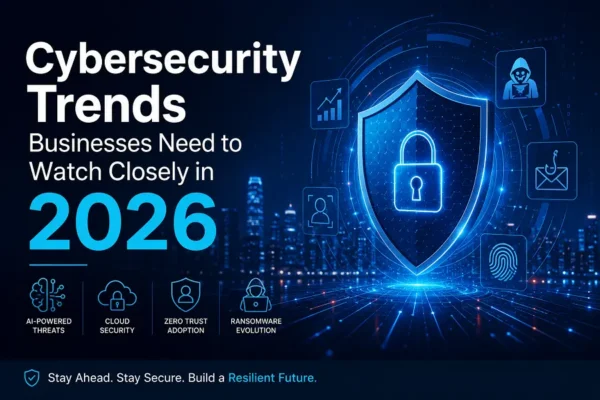
Cybersecurity Trends Businesses Need to Watch Closely in 2026

The enterprise threat landscape has evolved into an era of hyper-speed automation. Historically, digital security focused on building robust perimeters to keep intruders out. In the current environment, that model has become obsolete as decentralized workforces and cloud-integrated systems erase traditional boundaries. Security today is no longer a static gatekeeper but a continuous, real-time process…
Cybersecurity Trends

Generative AI vs Predictive AI: Understanding the Key Differences

The rapidly expanding landscape of artificial intelligence often leaves enterprise leaders parsing through dense technical terminology to identify the tools that yield genuine operational value. Historically, corporate systems relied on traditional analytics to manage databases, optimize supply chains, and flag processing anomalies. While these initial computations streamlined basic internal auditing, they were inherently backward-looking, requiring…

Generative AI vs Predictive AI

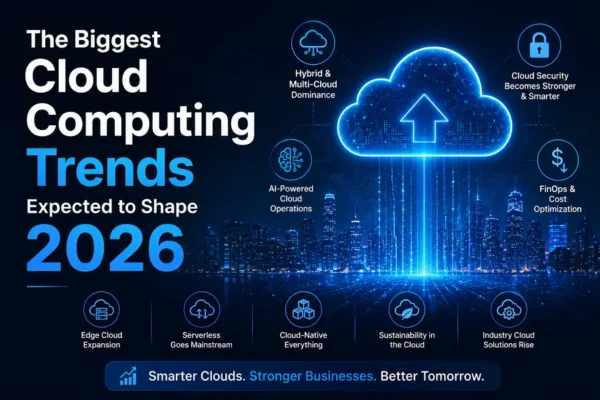
The Biggest Cloud Computing Trends Expected to Shape 2026

The structural architecture of enterprise cloud computing has shifted from a conversation about location to an absolute focus on adaptability and architectural control. For years, the prevailing corporate narrative prioritized rapid migration to public hyperscalers, viewing centralized off-premises infrastructure as the ultimate destination for digital modernization. While these initial cloud strategies successfully eliminated legacy on-premises…

Cloud Computing Trends

The Biggest Mobile App Development Trends Shaping 2026

The mobile application landscape in 2026 has moved far beyond simple utility. We are currently witnessing a shift toward applications that are not just tools, but intelligent, adaptive companions. Today’s development focus centers on creating seamless, predictive experiences that prioritize user privacy, high-speed connectivity, and intuitive interaction methods. Innovations in Intelligent App Architecture The most…

Mobile App Development

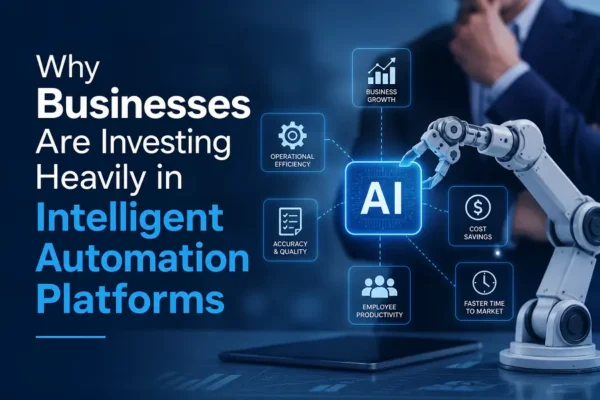
Why Businesses Are Investing Heavily in Intelligent Automation Platforms

The operational baseline for global enterprises has shifted from basic software adoption to the pursuit of comprehensive system intelligence. In previous technology cycles, corporate leaders focused primarily on implementing isolated, rule-based software to handle singular, repetitive administrative actions. While these early applications successfully eliminated basic data-entry bottlenecks, they frequently created a secondary problem: a fragmented…

Intelligent Automation Platforms

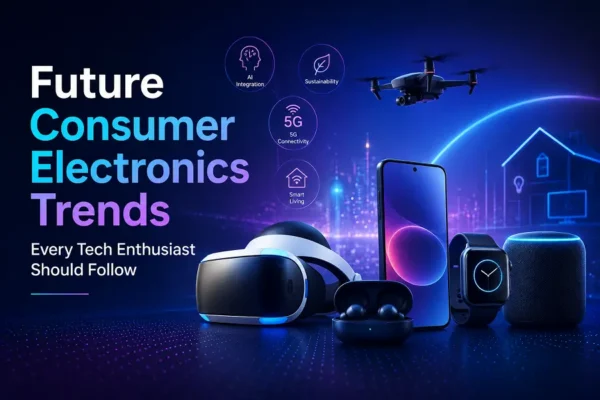
Future Consumer Electronics Trends Every Tech Enthusiast Should Follow

The landscape of consumer electronics is undergoing a profound transformation. We have moved past the era of incremental upgrades and are entering a period defined by ambient intelligence, where technology seamlessly integrates into our environment to become proactive rather than reactive. As 2026 unfolds, the devices we use are evolving from passive tools into intuitive…

Consumer Electronics Trends

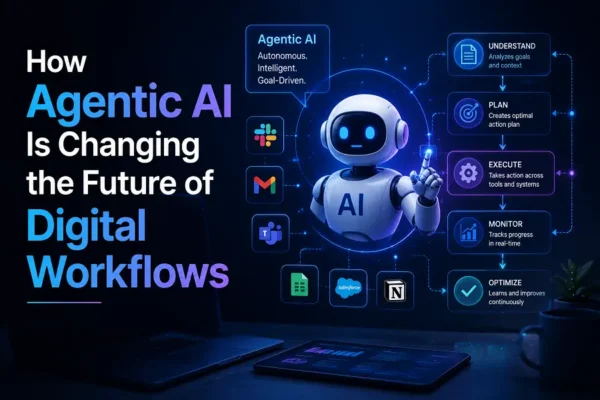
How Agentic AI Is Changing the Future of Digital Workflows

The fundamental architecture of workplace productivity is undergoing a structural shift from passive, command-driven software to autonomous execution networks. For years, digital transformation focused on traditional automation—rigid, rule-based systems built on “if-this-then-that” logic. While these tools successfully eliminated basic data-entry bottlenecks, they collapsed the moment they encountered messy data, missing files, or minor format changes….

Agentic AI Workflows

Emerging Technologies Expected to Influence Business Growth in 2026

The corporate landscape in 2026 has officially transitioned from speculative technological experimentation into a period of strict, impact-driven implementation. In previous years, organizations frequently allocated substantial capital toward digital proof-of-concept projects purely to signal innovation to shareholders. These pilot programs often operated in isolation, serving as novelty tools rather than core drivers of enterprise value….

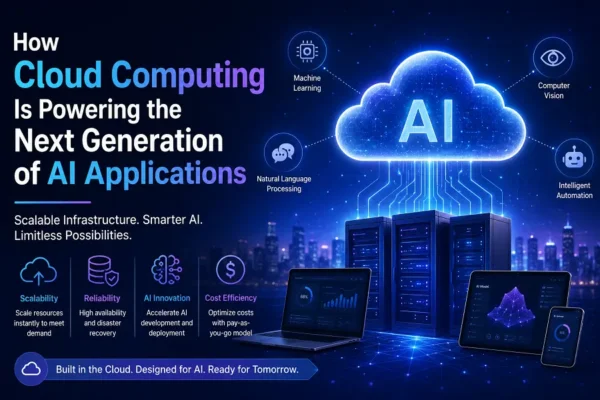
How Cloud Computing Is Powering the Next Generation of AI Applications

The rapid evolution of artificial intelligence has completely outpaced the physical limits of traditional corporate hardware. In the early stages of enterprise machine learning, organizations often attempted to train small-scale models on localized server racks or specialized desktop computers. While this localized setup offered initial data control, it quickly hit a hard wall when faced…

Cloud Computing AI