Social Commerce vs Traditional E-Commerce: Which Model Delivers Better Growth?

Choosing the right digital sales model determines how fast a brand scales. While traditional e-commerce relies on intentional buyers searching for specific products, social commerce catches users while they browse their feeds. Both architectures offer distinct growth mechanisms, but they scale at completely different speeds depending on your target audience. Understanding the direct differences between…


Social Commerce vs Traditional E-Commerce

How Visual Search Is Changing the Way Customers Discover Products Online

The traditional text-based search bar is no longer the sole gateway to online shopping. Instead of typing complex descriptions to find an item, online shoppers are increasingly using images to find exactly what they want. Visual search technology bridges the gap between real-world inspiration and digital checkout counters, completely rewriting the rules of modern ecommerce…

Customers Discover Products Online

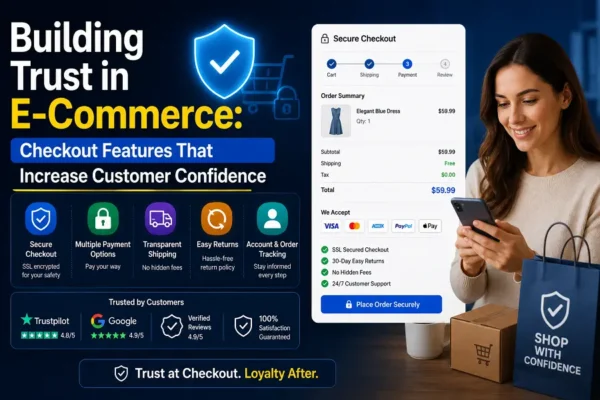
Building Trust in E-Commerce: Checkout Features That Increase Customer Confidence

Cart abandonment often peaks at the final hurdle. When shoppers reach the payment page, lingering doubts about security, hidden fees, or complicated forms can prompt them to leave. Transforming your checkout process into a high-confidence environment requires specific visual signals and functional features that validate the user’s decision to buy. Optimizing the final stage of…

Building Trust in E-Commerce: Checkout Features

Why Zero-Click Commerce Is Becoming the Next Big Opportunity for Online Stores

The traditional digital shopping funnel is experiencing a major structural shift. For years, e-commerce brands focused entirely on pulling users through a multi-step journey, moving them from search engines to product landers, shopping carts, and multi-field checkout pages. Zero-click commerce removes this entire pipeline by allowing consumers to purchase products instantly inside the app or…

Zero-Click Commerce Is Becoming