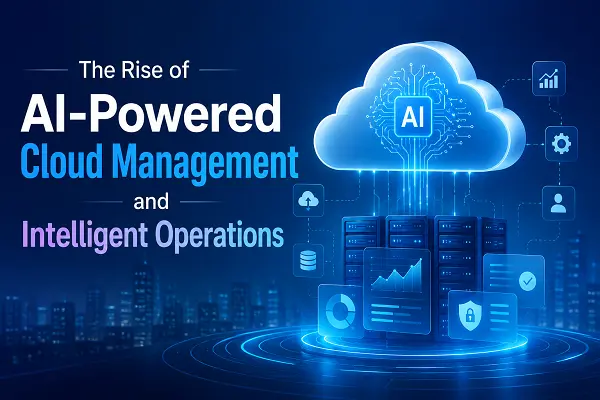
The Rise of AI-Powered Cloud Management and Intelligent Operations

The expansion of distributed software architecture has pushed traditional cloud management beyond the limit of human cognitive capacity. Historically, IT operations relied on static threshold alerts, manual log aggregation, and reactive troubleshooting to maintain application uptime. These classic performance-monitoring paradigms required engineering teams to comb through disconnected data silos whenever an outage occurred, building complex…
AIOps Platforms

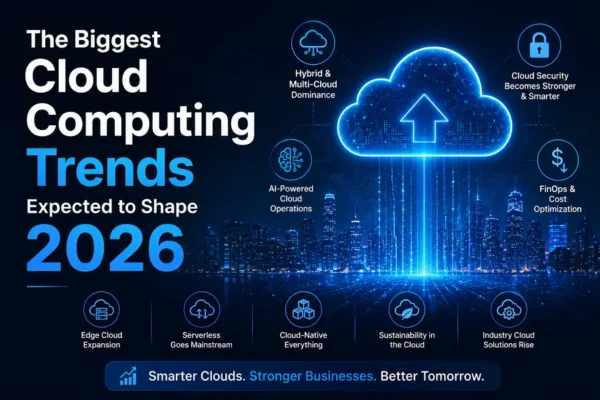
The Biggest Cloud Computing Trends Expected to Shape 2026

The structural architecture of enterprise cloud computing has shifted from a conversation about location to an absolute focus on adaptability and architectural control. For years, the prevailing corporate narrative prioritized rapid migration to public hyperscalers, viewing centralized off-premises infrastructure as the ultimate destination for digital modernization. While these initial cloud strategies successfully eliminated legacy on-premises…

Cloud Computing Trends

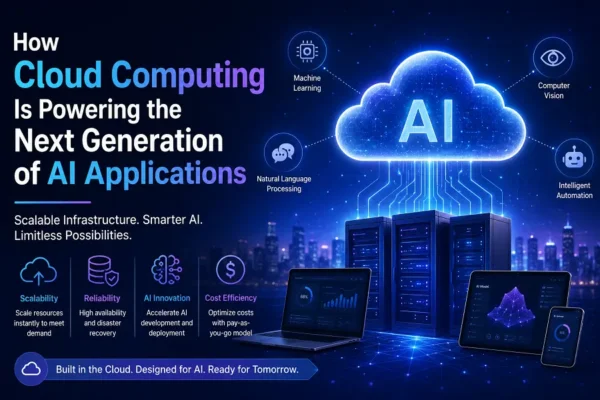
How Cloud Computing Is Powering the Next Generation of AI Applications

The rapid evolution of artificial intelligence has completely outpaced the physical limits of traditional corporate hardware. In the early stages of enterprise machine learning, organizations often attempted to train small-scale models on localized server racks or specialized desktop computers. While this localized setup offered initial data control, it quickly hit a hard wall when faced…

Cloud Computing AI

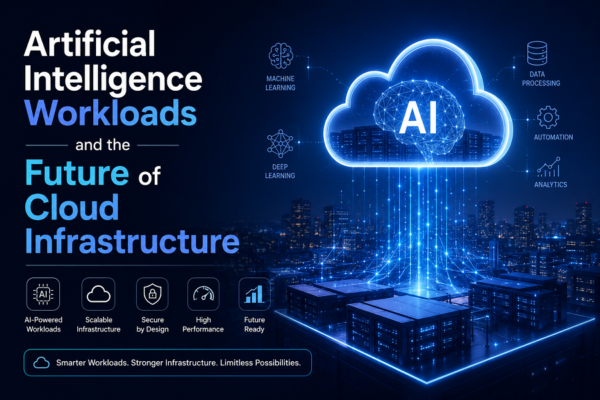
Artificial Intelligence Workloads and the Future of Cloud Infrastructure

The sudden influx of deep learning models has exposed the structural limitations of general-purpose digital infrastructure. For over a decade, standard cloud ecosystems were designed to support horizontal scalability for classical web applications, relational databases, and microservices. These legacy frameworks relied heavily on commodity central processing units running isolated virtual machines that scaled up or…

AI Workloads