
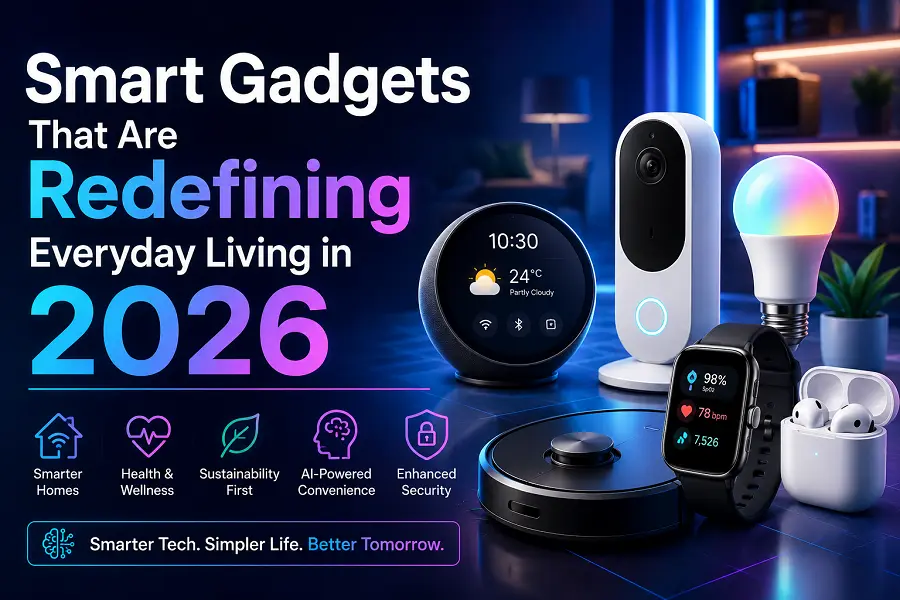
The definition of a modern home has shifted from a static living space to a dynamic, responsive environment. In 2026, technology is no longer an accessory; it is the infrastructure that supports daily life, focusing on efficiency, sustainability, and intuitive automation. The latest wave of smart gadgets prioritizes seamless integration, allowing your environment to anticipate your needs rather than simply responding to manual commands.
Innovations in Home Efficiency and Management
The most significant shift in smart technology this year is the move toward unified ecosystems. Rather than managing dozens of disconnected apps, homeowners are leveraging centralized hubs that harmonize lighting, climate, security, and energy use.
-
Intelligent Energy Management: New energy panels provide real-time visibility into power consumption, automatically optimizing appliance schedules and solar storage to reduce utility costs and carbon footprints.
-
Adaptive Climate Control: Next-generation thermostats utilize machine learning to map room-by-room usage, adjusting temperatures based on occupancy patterns and local weather forecasts to eliminate wasted energy.
-
Electrochromic Smart Windows: These advanced glass panels automatically adjust their tint based on sunlight intensity, minimizing glare and cooling loads without the need for traditional manual blinds.
-
Proactive Water Monitoring: Leak detection systems have become standard, utilizing sensors to monitor water flow and automatically shutting off valves at the first sign of an anomaly, preventing costly structural damage.
The Evolution of Intelligent Kitchen Technology
The kitchen has transitioned into a highly automated zone where artificial intelligence reduces the mental load of meal preparation.
-
AI-Vision Ovens: Modern ovens now feature internal cameras and sensors that identify the food being prepared. The system automatically adjusts temperature and cooking times, ensuring consistent results while preventing overcooking.
-
Smart Refrigeration Systems: With built-in inventory tracking, these refrigerators can monitor expiration dates, suggest recipes based on current ingredients, and generate automated grocery lists to minimize food waste.
-
Automated Waste Management: Smart bins with touchless technology and odor-neutralizing systems provide a cleaner, more hygienic kitchen environment, streamlining the disposal process.
Enhancing Security and Ambient Comfort
Security has moved beyond basic surveillance. Modern systems prioritize “smart” intelligence, distinguishing between residents, visitors, and irrelevant movement to provide meaningful alerts.
-
AI-Enhanced Surveillance: High-definition cameras now include human detection and behavioral analysis, reducing false positives and providing accurate security monitoring in real-time.
-
Unified Access Control: Integrated doorbells and smart locks allow for seamless entry management, offering two-way audio and mobile alerts that keep residents connected to their front door from anywhere in the world.
-
Motion-Adaptive Lighting: Lighting systems no longer just turn on and off; they adapt to the time of day and room occupancy, creating personal ambiance and improving safety in hallways and stairwells.
-
Automated Shading: Smart curtain controllers allow for effortless scheduling, ensuring natural light is maximized during the day while maintaining privacy and thermal insulation in the evening.
Conclusion
As we move further into 2026, the value of smart gadgets is found in their ability to remove friction from daily life. Whether it is a kitchen that helps manage your pantry or an energy system that lowers your bills, the best technology works in the background to improve your quality of life. By focusing on interoperability and intelligent automation, these gadgets are creating homes that are more responsive, efficient, and comfortable than ever before.
Frequently Asked Questions
What does “unified control” mean for a smart home?
Unified control refers to the ability to manage all smart devices—lights, locks, climate, and appliances—through a single, centralized hub or application, removing the need to switch between multiple disconnected tools.
How do AI-powered ovens improve cooking?
These ovens use internal sensors and cameras to recognize the specific dish being cooked, automatically setting the optimal temperature and time, and sending alerts to your phone when the meal is ready.
Why is energy management becoming a central feature in smart homes?
In 2026, the focus has shifted toward sustainability and cost-saving. Smart energy panels allow homeowners to monitor their consumption in real-time, helping them shift usage to off-peak hours and manage solar energy production more efficiently.
What is the advantage of human detection in security cameras?
Human detection uses artificial intelligence to filter out unnecessary motion, such as pets or swaying trees, ensuring you only receive alerts when an actual person is detected, which significantly reduces false alarms.
Are smart gadgets becoming more affordable for beginners?
Yes, the market now offers a wide variety of entry-level devices like motion sensors, smart bulbs, and basic home controllers that allow users to start building a smart environment at a low cost before scaling up to a full ecosystem.