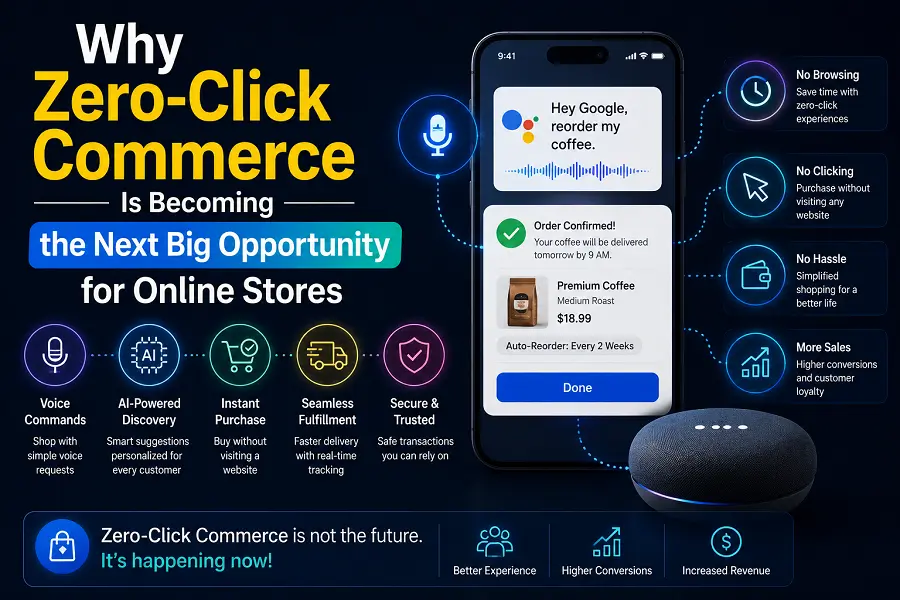
The traditional digital shopping funnel is experiencing a major structural shift. For years, e-commerce brands focused entirely on pulling users through a multi-step journey, moving them from search engines to product landers, shopping carts, and multi-field checkout pages. Zero-click commerce removes this entire pipeline by allowing consumers to purchase products instantly inside the app or platform where they discover them. This reduction in transaction friction presents a massive growth channel for agile online merchants.
Technical Foundations of Frictionless Buying
To leverage this shift, brands must understand the underlying tech ecosystems that enable instant transactions. Instead of relying on traditional web redirections, zero-click buying relies on deeply unified digital environments.
-
Native Digital Wallets: Integration with pre-saved payment credentials allows immediate identity verification and fund transfer without manual data entry.
-
In-App Social Checkouts: Social media platforms use internal payment architectures to let users buy items directly within their content feeds.
-
Voice-Activated Order Triggers: Smart home assistants process repeat purchases using verbal commands linked directly to verified user profiles.
-
Contextual API Bridges: Application programming interfaces instantly relay inventory and shipping data between third-party apps and a store’s central warehouse database.
-
Tokenized Security Protocols: Advanced encryption secures user data during cross-platform transactions, building consumer confidence outside the core storefront.
Strategic Implementation Framework for Digital Brands
Transitioning to a frictionless sales model requires reorganizing your data structures and digital distribution strategy. Merchants must prepare their backend systems to handle purchases coming from external touchpoints.
-
Format Clean Product Feeds: Structure your inventory data with highly accurate attributes, real-time stock levels, and precise pricing to prevent sync errors across distribution channels.
-
Adopt Headless Commerce Architecture: Separate your backend database from the frontend website template, enabling any external digital touchpoint to act as a functional point of sale.
-
Deploy Contextual Purchase Links: Embed direct-buy buttons inside email newsletters, interactive marketing videos, and digital lookbooks to bypass traditional landing pages.
-
Optimize Subscriptions for Auto-Replenishment: Configure automated recurring billing for consumable items, turning secondary purchases into zero-click events.
-
Unify Multi-Channel Inventory Management: Implement a centralized software system to track stock levels instantly, ensuring that an instant purchase on an external app immediately updates your warehouse numbers.
Overcoming Personalization and Customer Retention Challenges
When transactions happen entirely outside your online store, building long-term brand equity becomes more complex. Merchants no longer control the complete visual environment of the checkout experience. To counter this, businesses must focus heavily on the post-purchase journey.
Because you lose the ability to cross-sell or upsell during a multi-step checkout web page, the focus shifts to unboxing experiences and tailored post-sale digital follow-ups. Use the customer data captured during the instant transaction to trigger personalized confirmation emails, shipping alerts, and targeted mobile messages. Providing exceptional fulfillment turnarounds and transparent delivery tracking transforms an impulse, zero-click buyer into a loyal brand advocate.
Conclusion
Zero-click commerce represents the future of consumer convenience, meeting buyers exactly where their intent is highest. By removing the traditional hurdles of web navigation, form completion, and cart management, online stores can unlock entirely new revenue streams. Embracing the infrastructure required for instant purchases ensures your business remains competitive as digital storefronts continue to decentralize.
Frequently Asked Questions
What exactly is zero-click commerce?
Zero-click commerce is a sales model where a consumer purchases a product instantly directly inside the platform of discovery—such as a social feed, email, or voice assistant—without clicking through to an external e-commerce website.
Is zero-click buying safe for everyday consumers?
Yes. Transactions rely on tokenization and pre-verified billing credentials stored securely within major operating systems, digital wallets, or social networks, which minimizes the exposure of sensitive financial data.
How does this trend impact small e-commerce businesses?
It levels the playing field by allowing smaller brands to convert high-intent traffic instantly based on product merit and content quality, bypassing the need for an expensive, highly optimized custom checkout website.
Can I track attribution and analytics with instant checkouts?
Yes. Modern headless commerce setups and platform APIs use tracking pixels and specific referral UTM tags to pinpoint exactly which content piece or external platform generated the instant purchase.
Does zero-click commerce work for complex or customized products?
This model works best for straightforward, low-consideration items, consumables, and repeat subscription renewals. Highly customized or expensive goods still generally require a traditional, detailed informational landing page.