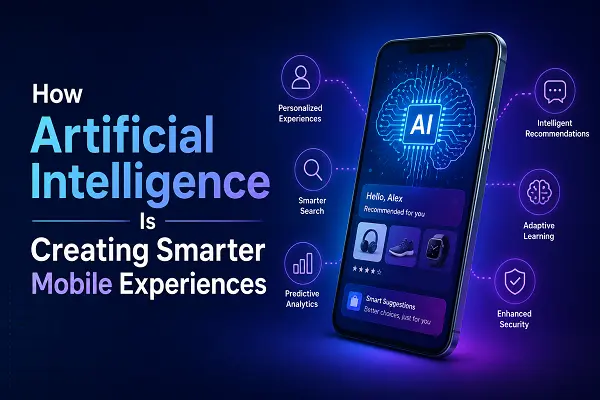

The mobile gaming landscape in 2026 has transcended its origins as a casual pastime, evolving into a sophisticated, hardware-agnostic entertainment powerhouse. Driven by a convergence of artificial intelligence, high-fidelity graphics, and seamless cross-platform ecosystems, mobile devices now serve as the primary hub for global gaming. This transformation is not merely about better visuals; it is about a fundamental shift in how games are designed, played, and integrated into our daily routines.
The Technological Leap: AI and Graphics Convergence
The most profound shift this year is the integration of neural graphics and generative AI directly into the game development pipeline. These technologies allow developers to push the boundaries of what mobile hardware can achieve without sacrificing battery life or performance.
-
Neural Graphics and Upscaling: New neural technologies—such as specialized super-sampling and frame-rate upscaling—now enable mobile devices to render complex, console-quality lighting effects like ray tracing and dynamic global illumination. This allows players to experience cinematic, high-fidelity worlds on a device that fits in their pocket.
-
Generative AI Development: Studio workflows are being revolutionized by AI-driven tools that automate asset creation, character animation, and environment design. This allows smaller teams to compete with massive studios, resulting in a surge of highly varied, high-quality content that keeps the market vibrant and unpredictable.
-
Dynamic and Intelligent NPCs: Non-playable characters are no longer restricted to static dialogue trees. Using large language models, these characters now possess dynamic personalities and memories, capable of holding unscripted, natural conversations that adapt to the specific micro-decisions a player makes during their unique playthrough.
Platform Collision and the Ecosystem Shift
In 2026, the boundaries between mobile, PC, and console gaming have effectively dissolved. This “platform collision” means that the device is no longer the defining factor of the gaming experience; the ecosystem is.
-
True Cross-Platform Progression: Modern players now expect to transition seamlessly from a PC or console to a mobile device without losing progress, fidelity, or access to their social connections. Game design now mandates feature parity, ensuring that controls and interfaces feel intuitive regardless of the hardware.
-
Cloud Gaming Ubiquity: With the global maturation of 5G and edge computing, hardware limitations are increasingly irrelevant. High-end, physics-heavy games are now rendered entirely in the cloud, allowing even budget mobile devices to stream AAA experiences with zero latency.
-
The Rise of Persistent Virtual Worlds: Mobile gaming is anchoring the next generation of social platforms. Games have evolved into persistent environments where players socialize, attend digital events, and build persistent assets that travel with them across different virtual domains.
The Evolution of Engagement and Monetization
Monetization and retention strategies have matured to prioritize player-centric experiences. The industry has moved away from aggressive, disruptive tactics toward sustainable, value-driven models that respect the player’s time and investment.
-
Community-Driven LiveOps: Live operations are no longer confined to a static calendar of events. AI-driven systems now analyze player sentiment and behavior in real time, scheduling customized challenges and content drops that react to how a specific community is engaging with the game.
-
Hybrid Monetization: Successful titles now utilize a blend of rewards-based advertising, cosmetic-focused in-app purchases, and tiered subscription models. This allows games to be accessible to a wide audience while providing deep value for dedicated, long-term players.
-
User-Generated Content (UGC): The democratization of creation tools has turned players into partners. By embedding intuitive design suites directly into games, publishers are fueling a massive creator economy where UGC drives engagement far beyond what a studio could produce on its own.
Conclusion
Mobile gaming in 2026 has successfully shed its “casual-only” reputation by embracing a future where hardware is secondary to the quality of the immersive experience. Through the clever application of AI, the dissolution of platform barriers, and a renewed focus on persistent, community-led content, the industry is seeing unprecedented growth. For players, this means access to deeper, more responsive, and more personalized gaming experiences than ever before, all within the palm of their hand.
Frequently Asked Questions
How does on-device AI improve mobile gaming graphics?
On-device AI, particularly through neural super-sampling and denoising, allows a mobile device to render complex visuals like ray tracing with significantly lower power consumption, ensuring console-like fidelity without overheating the hardware.
What does “platform collision” mean for gamers?
It describes the trend where the lines between PC, console, and mobile gaming disappear. Gamers can now expect to play the same titles with full progress synchronization across all their devices, making the specific hardware they use less important.
Are NPCs really more intelligent in mobile games now?
Yes. By utilizing large language models, NPCs can now engage in unscripted, context-aware conversations that adapt to player choices, creating a more unpredictable and personalized narrative experience.
Why is mobile gaming now considered a “stable pillar” of the industry?
Mobile has become the most accessible and global platform, fitting naturally into human routines. Its growth is driven by long-term retention habits rather than hype, supported by live-service models that keep games fresh for years.
What is the advantage of AI-driven “LiveOps”?
Instead of a fixed schedule, AI-driven LiveOps adapts content and challenges based on real-time player behavior and community sentiment, keeping the game world dynamic and ensuring that challenges are always appropriately scaled to the user’s skill level.