
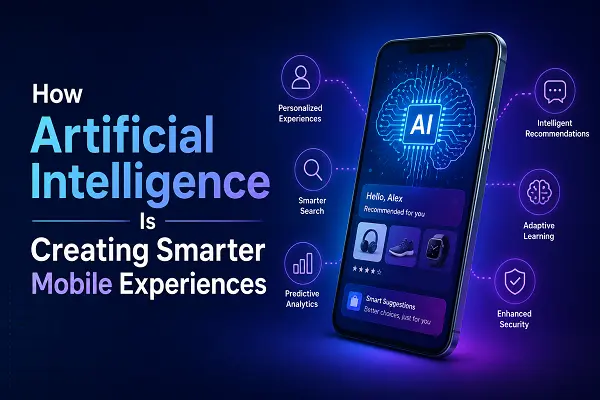
Mobile applications have moved beyond simple, static tools into a new era of intelligent, adaptive platforms. In 2026, artificial intelligence is no longer an optional add-on; it is the core engine driving how we interact with our devices. By analyzing behavioral data and environmental context in real time, modern apps are shifting from reactive interfaces to proactive digital partners that anticipate user needs before a command is even given.
The Foundations of Intelligent Mobile UX
The intelligence of a modern mobile app is built upon several foundational capabilities that allow it to understand the user on a deeper level. These technologies move the experience away from a “one-size-fits-all” model toward highly personalized interactions.
-
Behavioral Hyper-Personalization: Apps now analyze subtle signals—such as scroll speed, tap patterns, and session timing—to dynamically reorganize layouts. If an app detects that you frequently use a specific feature at a particular time of day, it automatically surfaces that functionality to the home screen.
-
Predictive Workflows: Instead of requiring users to manually navigate through complex menus, predictive systems analyze past actions to suggest the next logical step. Whether it is automatically filling in details for a recurring payment or suggesting a shortcut to your most-used workspace, these systems reduce cognitive load and save time.
-
Context-Aware Adaptation: Modern AI integrates data from device sensors, such as location and ambient noise levels, to adjust settings automatically. A reading app might increase font contrast in bright sunlight, while a productivity app could silence non-essential notifications when it detects you are in a meeting or a high-focus environment.
-
On-Device Processing: A significant leap in 2026 is the reliance on Neural Processing Units (NPUs) within smartphones. By running AI models locally rather than relying on cloud servers, apps deliver instantaneous responses while ensuring that sensitive personal data never leaves the device.
Transforming Interaction Through Agentic AI
The way users interact with software is shifting from manual navigation to conversational and agentic models. These advancements allow the device to act as an assistant rather than just a repository for icons.
-
Conversational Navigation: Complex menu structures are increasingly being replaced by natural language interfaces. Users can simply describe a goal, such as “find my last three receipts from last month,” and the AI interprets the intent, navigates the app, and retrieves the specific data without the user ever touching a folder.
-
Multimodal Understanding: Current applications leverage the camera as an intelligent sensor. By pointing the lens at an object or document, users can trigger real-time translations, visual search results, or automated data extraction for expenses and forms, turning visual inputs into actionable digital outcomes.
-
Adaptive Emotion-Aware UX: By interpreting behavioral proxies—such as response latency or typing intensity—apps can infer user states. A mental health or meditation app may detect signs of tension and proactively suggest a grounding exercise, while a complex educational platform might simplify its interface when it senses a user is becoming frustrated.
Seamless Integration and Security
As AI becomes the brain behind mobile gadgets, the boundary between security and user experience continues to dissolve. Authentication is now woven into the fabric of the app’s performance through behavioral biometrics. By recognizing unique patterns in how a user holds the phone or types, apps can verify identity in the background, creating a friction-free security layer. Simultaneously, these intelligent systems monitor for anomalies, flagging potential fraud or unauthorized activity in real time, effectively protecting the user without forcing them through tedious manual verification steps.
Conclusion
Artificial intelligence has fundamentally redefined the mobile experience, turning devices into truly intuitive assistants. By prioritizing local processing for privacy and utilizing predictive models to reduce user friction, today’s applications are more efficient and relevant than ever. As these technologies continue to evolve, the focus remains on building “agentic” systems that handle the logistics of the digital world, allowing users to spend less time managing their apps and more time focusing on their primary objectives.
Frequently Asked Questions
What is the advantage of on-device AI over cloud-based AI?
On-device AI offers zero-latency performance and enhanced privacy. Because data is processed directly on your phone’s processor rather than being sent to a remote server, it remains secure and the app remains functional even without an internet connection.
How does predictive UI differ from traditional app design?
Traditional design relies on fixed layouts created by humans. Predictive UI uses machine learning to adapt the interface in real time, rearranging menus and surfacing content based on what the AI believes the user needs at that specific moment.
Can AI really detect how a user is feeling?
Apps use “behavioral proxies” like typing speed, session length, and interaction patterns to infer emotional states. This allows the app to adapt its tone or complexity, providing a more supportive experience during stressful or focused periods.
What are agentic mobile apps?
Agentic apps go beyond simple information display; they are capable of performing multi-step tasks across different services—such as planning a trip or managing finances—acting on your behalf based on your intent.
Does AI in mobile apps drain battery life faster?
Modern smartphones use dedicated hardware called Neural Processing Units (NPUs) specifically designed to run AI tasks with extreme power efficiency, ensuring that smarter features do not come at the expense of battery performance.

