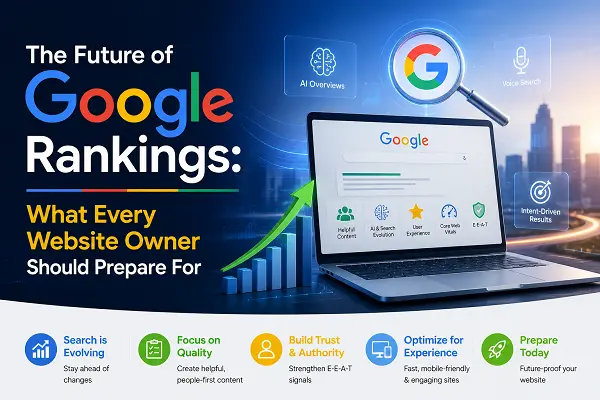
The mechanics of maintaining search engine visibility are shifting beneath our feet. For decades, matching a user’s typed keywords with relevant webpage text was the fundamental goal of digital optimization. Today, advanced information retrieval networks bypass mere phrase matching entirely, focusing on real-world entity validation and conceptual synthesis.
As Google continues to integrate multi-modal AI systems into its core infrastructure, traditional click-through dynamics are being rewritten. Navigating this evolution requires moving away from superficial content metrics. Webmasters who want to secure organic reach must learn to format their knowledge for machine consumption while providing unparalleled utility to human audiences.
The Rise of Contextual Retrieval and Generative Summaries
Search experiences are actively shifting from basic index linking to direct answer generation. Instead of just delivering an organic list of external destinations, search layout layers now prioritize real-time synthesis via Retrieval-Augmented Generation (RAG) frameworks.
-
Algorithmic Information Extraction: Content blocks must be built as standalone informational nodes, allowing machine scrapers to instantly pull and display your claims as primary citations.
-
Declining Clicks on Informational Queries: Simple informational definitions are heavily answered directly on the search interface, moving traffic toward deep-funnel transactional and complex comparative intent lines.
-
Hyper-Personalized Search Pathways: Discovery feeds rely heavily on historical user intent patterns, location variables, and past interactions, meaning static ranking tracking is giving way to dynamic visibility share.
-
Zero-Click Conversion Architectures: Brands must optimize for off-site impressions, ensuring their company name and primary value propositions are seamlessly woven into generated interface summaries.
Validating Identity Within Global Knowledge Graphs
Search engines no longer analyze phrases in a vacuum; they map how terms relate to verified real-world entities. Establishing a trusted, unshakeable identity inside these global databases is critical for algorithmic survival.
-
Exhaustive Structural Author Mapping: Connect every piece of published material to an explicit, verifiable human creator profile complete with off-site professional history disclosures.
-
Corporate Dataset Registration: Ensure your business entity is cleanly cataloged within open structured databases like Wikidata, aligning foundational operational metrics with search system understanding.
-
Strict Implementation of Nested Schema: Deploy flawless JSON-LD configurations on every page, explicitly translating contextual relationships between authors, organizations, and products into programmatic definitions.
-
Consistently Tracking Unique Semantic Associations: Use specialized industry terminology, exact technological terms, and regulatory nomenclature to anchor your pages firmly within specific topical nodes.
The Imperative of Non-Duplicable Information Gain
As automated text generation scales globally, search filtering classifiers are aggressively penalizing lookalike digital platforms. A page that simply rehashes existing index insights without introducing a net-new perspective will find its visibility systematically constrained.
Survival requires prioritizing first-hand experience over theoretical aggregation. Digital assets must feature unique corporate metrics, proprietary case studies, direct technical experiments, or qualitative observations from credentialed experts in the field. By dedicating resources to generating raw, unavailable data, you build a protective moat around your digital property that machine learning systems must respect and reference.
Conclusion
The future of search visibility belongs to those who view the engine as a collaborative synthesizer rather than a simple traffic hose. By building deep informational density, establishing a concrete entity profile, and offering genuine information gain, you ensure your digital asset remains an irreplaceable anchor in the evolving search ecosystem.
Frequently Asked Questions
Will traditional SEO become completely obsolete?
No, technical site foundations—such as mobile rendering speeds, clean crawl logic, and descriptive tag hierarchies—remain absolute prerequisites for automated systems to locate and interpret your data.
How do I optimize my content for AI Overviews?
Lead your primary sections with clear, punchy, single-sentence definitions and break complex explanatory steps into clear, scannable bullet points containing high noun density.
What is the best way to prove real-world experience?
Incorporate distinct first-person narratives, raw field notes, custom project screenshots, and verified corporate success or failure metrics directly into the core copy of your pages.
How often should I perform content updates?
Audit and refresh your core informational pillars whenever your specific vertical experiences regulatory updates, technological breakthroughs, or when internal testing reveals new performance indicators.
Should I stop writing short informational blog posts?
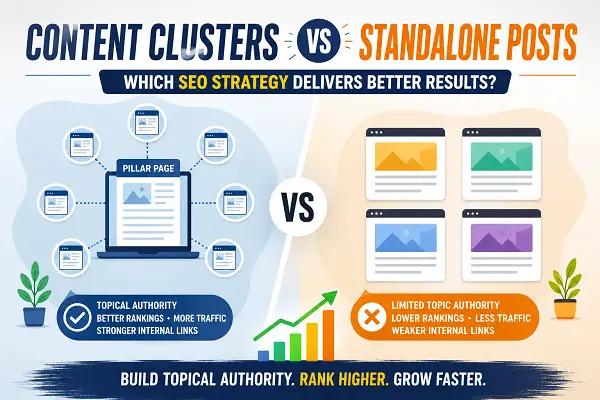
Thin, superficial articles that only define basic concepts should be consolidated into multi-layered, high-density resource hubs to prevent your site from triggering low-utility quality penalties.