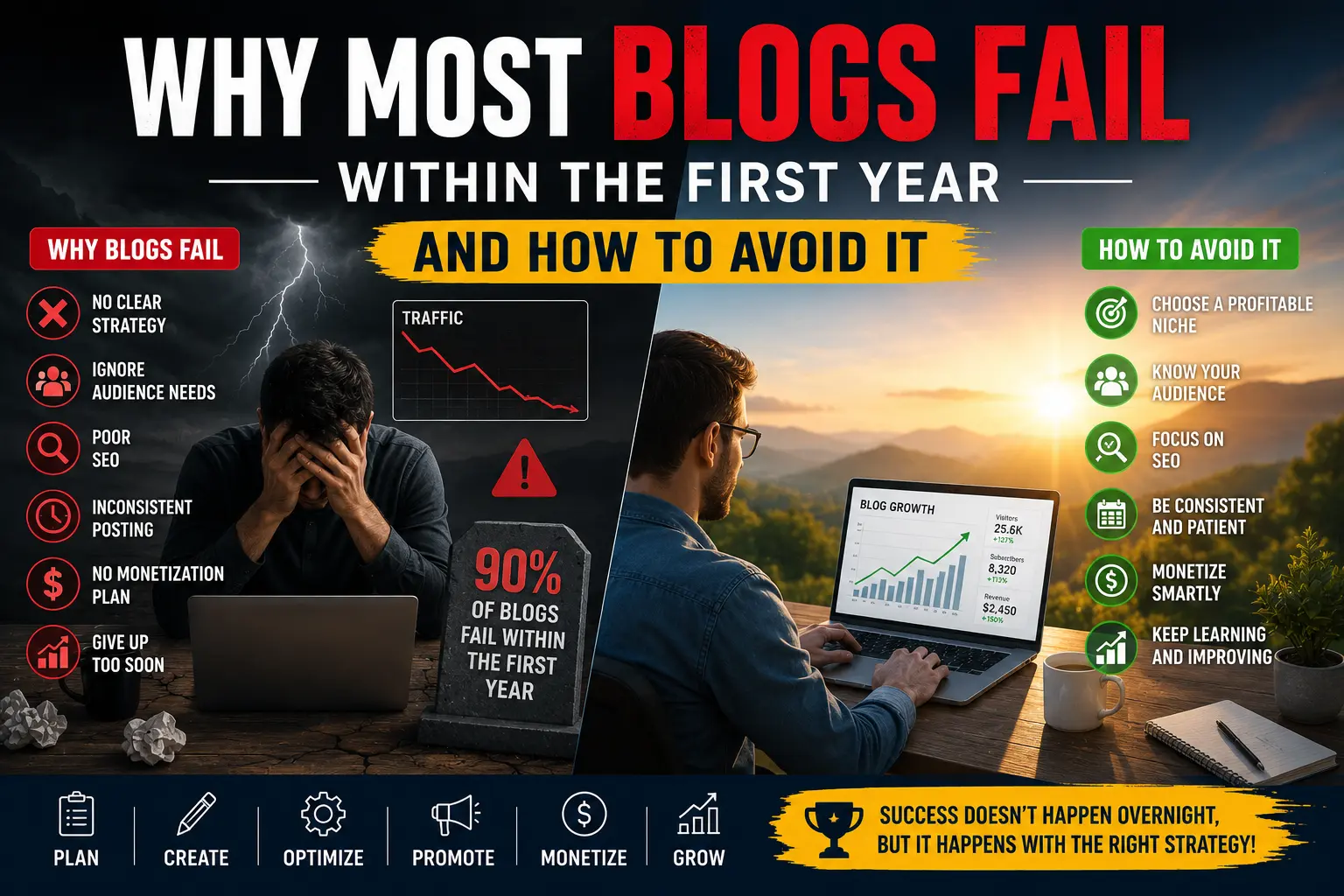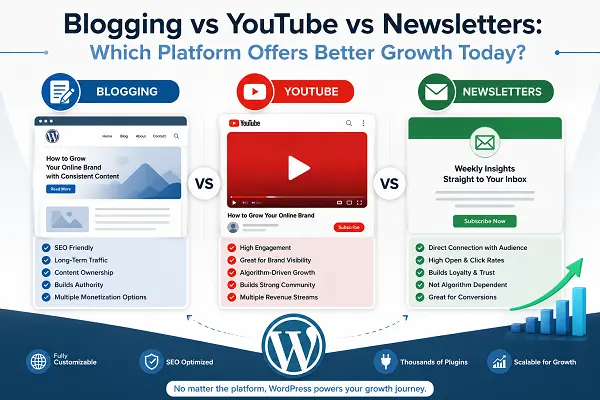

Treating a blog as a casual pastime is fundamentally different from operating it as a revenue-generating commercial entity. Many passionate creators publish excellent content for years without ever realizing financial returns because they lack a structural business blueprint. Shifting from a hobby mindset to an entrepreneurial approach requires a deliberate re-engineering of your content strategy, audience engagement methods, and operational framework.
The transition relies on treating your digital platform as a solution center rather than a personal diary. Audiences reward publishers who consistently solve distinct problems, answer burning questions, or streamline complex tasks. By aligning your innate personal passions with verified commercial demand, you can build a resilient digital asset that generates recurring revenue while providing immense real-world value to your readership.
Establishing the Commercial Foundation: Audience Alignment and Niche Validation
Before attempting to monetize an existing archive of casual essays, you must audit your topic focus to ensure market viability. A sustainable business requires a specific, reachable target demographic that actively seeks answers and possesses purchasing intent. This stage is about identifying where your deep personal interest intersects with a profitable audience pain point.
Refining your focus to a commercially viable standard involves several critical changes:
-
Narrowing the Target Scope: Moving from a broad umbrella topic like general fitness to a highly specific sub-niche like strength training for busy professionals over forty.
-
Mapping Pain Points: Documenting the specific frustrations, informational roadblocks, and expensive problems your core audience encounters daily.
-
Keyword Intent Analysis: Transitioning from purely informational search queries toward transactional and commercial queries where readers are actively looking to buy solutions.
-
Competitor Gap Analysis: Evaluating existing commercial websites within your space to identify content deficiencies, outdated guides, or underserved communities.
Designing a Diversified Monetization Engine
Relocating your platform’s financial dependency away from volatile third-party display advertising networks is essential for long-term stability. While ad revenue offers a passive entry point, it requires massive traffic volumes to yield substantial profits. A resilient web business spreads risk across multiple independent revenue streams that naturally complement the core editorial material.
Building a multifaceted revenue engine requires a systematic implementation of distinct commercial models:
-
Affiliate Partnership Architecture: Integrating contextual, highly specific recommendations for third-party products or software tools that you personally use and vet.
-
Digital Product Development: Authoring comprehensive downloadable guides, checklist packages, template bundles, or analytical workbooks that offer immediate, standalone utility.
-
Premium Membership Infrastructures: Creating restricted access tiers, community forums, or specialized database access for dedicated power users who require deeper interaction.
-
Bespoke Group Consulting or Coaching: Leveraging your displayed on-site expertise to provide direct, high-ticket strategic guidance to individual readers or corporate clients.
Cultivating E-E-A-T to Secure Long-Term Audience Trust
A hobby blog can survive on charm and random thought pieces, but a sustainable business demands verified institutional credibility. Google’s search parameters heavily reward content that exhibits high levels of Experience, Expertise, Authoritativeness, and Trustworthiness (E-E-A-T). Readers must feel entirely confident that your advice is safe, accurate, and backed by real-world validation.
To transform your casual platform into an authoritative industry destination, you must upgrade your publishing standards. This means establishing transparent author profiles that highlight professional credentials, real-world case studies, and hands-on testing parameters. Every operational recommendation or instructional guide should clearly detail the direct, personal experience that qualifies you to deliver that advice, making your site completely irreplaceable by generic automation.
Conclusion
Transitioning from a casual hobbyist to a serious digital media publisher requires a fundamental shift in daily execution. By implementing structural niche verification, diversifying your revenue channels beyond simple ads, and building authentic E-E-A-T principles into every paragraph, you create an enduring business asset. The path from a digital diary to a sustainable enterprise is demanding, but it offers unparalleled professional autonomy and financial scalability.
FAQs
How much web traffic do I need to start monetizing my blog?
Volume is secondary to audience intent. A highly focused niche site with a thousand dedicated, buying readers can easily generate more income through direct digital product sales than a general lifestyle blog pulling in fifty thousand casual pageviews dependent solely on display advertisements.
Is it necessary to register a legal business entity immediately?
While you can start as a sole proprietor to validate your ideas, transitioning to a formal legal structure like an LLC protects personal assets. It also opens doors to premium affiliate networks, corporate sponsorships, and business banking tools.
How do I balance monetization without alienating my current readers?
Prioritize editorial integrity by only recommending products that solve actual user problems. Keep promotional material secondary to educational value, ensuring that every piece of commercial content still delivers massive, standalone utility to non-paying visitors.
What is the most profitable digital product to sell first?
Low-friction assets like curated templates, actionable resource spreadsheets, or concise execution workbooks are ideal starting points. They require minimal development time compared to massive video courses but offer immediate, practical value to buyers.
How long does it typically take to replace a full-time income?
Most dedicated publishers require twelve to twenty-four months of consistent, strategically optimized effort to achieve full-time financial sustainability. Success timelines depend heavily on niche competitiveness, monetization choices, and execution speed.