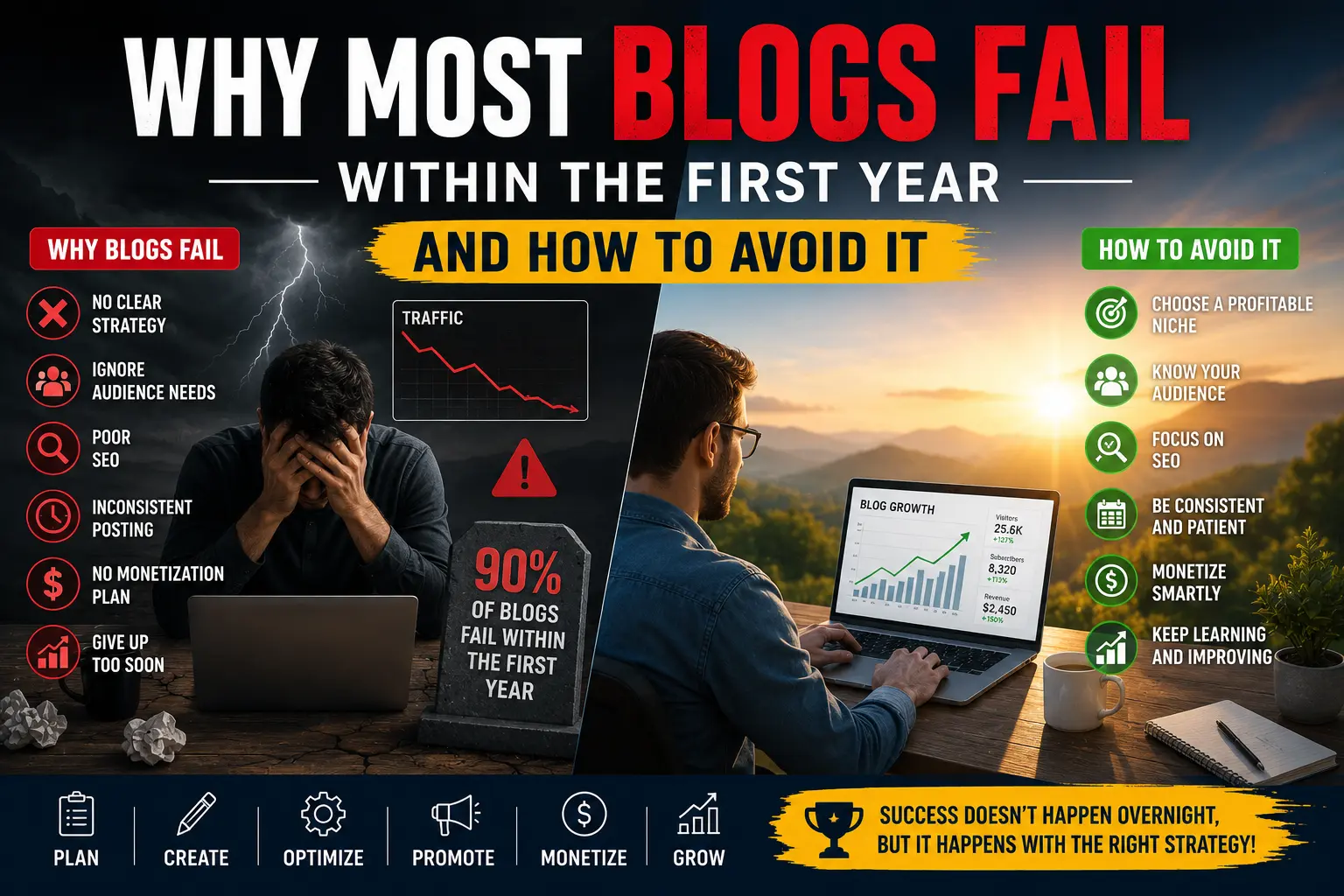
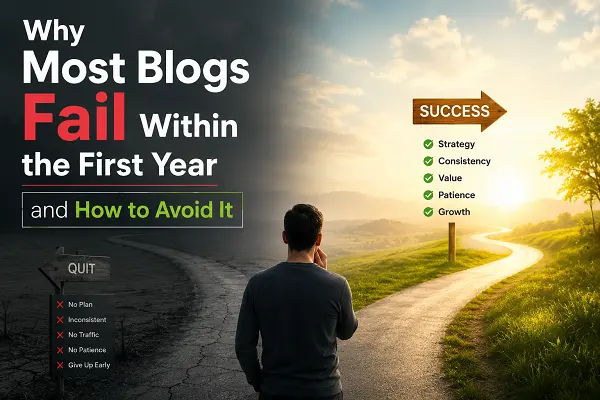
Launching a digital publication brings immense excitement, yet the vast majority of new websites vanish from the web before their first anniversary. This high attrition rate rarely stems from a lack of passion or writing ability. Instead, early abandonment happens because creators treat digital publishing as a casual diary rather than a structured information system. Without a clear strategy for audience retention and technical sustainability, initial enthusiasm quickly gives way to burnout when traffic fails to materialize.
Sustaining a web platform requires balancing helpful information delivery with disciplined operational habits. The digital landscape favors sites that solve specific problems for readers cleanly and efficiently. By diagnosing the foundational structural errors that sink new sites, you can build a resilient platform designed to survive the critical first twelve months and establish long-term authority.
The Strategy Gap: The Pitfalls of Broad Conceptualization
Many creators start writing without defining a distinct operational scope. Trying to cover lifestyle, technology, travel, and personal finance all at once dilutes a site’s thematic authority. Search systems and readers alike struggle to understand the core purpose of a platform that treats disparate industries as a single topic. A lack of thematic focus makes it impossible to build a dedicated, loyal community.
New publishers regularly stumble into specific operational traps during their first few months:
-
Chasing High-Volume Terms: Targeting massive, generic search queries puts small websites in direct competition with multi-million-dollar media conglomerates.
-
Irregular Publishing Routines: Posting five articles in one week followed by a month of total silence confuses readers and signals a lack of platform stability.
-
Neglecting Search Intent: Writing purely about personal preferences rather than answering the specific, practical questions real people type into search engines.
-
Ignoring Technical Frameworks: Failing to optimize site speed, mobile responsiveness, and clean URL structures, which ruins the user experience.
The Content Valuation Shift: Building Real Trust and Authority
Surviving the first year requires a commitment to creating value that cannot be easily replicated by automated aggregators or generic summaries. Information must go beyond basic definitions to provide actual utility. True authority is established when a writer demonstrates firsthand experience with the topic, providing unique angles that general summaries miss entirely.
To construct a high-value informational resource that builds authentic reader trust, implement these critical quality standards:
-
Incorporate Hands-On Insights: Share specific case studies, step-by-step experiment results, and transparency regarding your personal journey or professional background.
-
Conduct Primary Investigation: Gather original insights, synthesize complex topics into actionable summaries, and present fresh angles on stale industry debates.
-
Prioritize Deep Answer Formatting: Place direct, clear answers to primary reader questions at the top of your pages, using the remaining space to provide comprehensive context.
-
Eliminate Outdated Information: Review published drafts regularly to ensure your recommendations match current industry shifts, removing obsolete advice immediately.
Monetization Impatience: Cultivating Audience Value Before Profit
A primary driver of first-year failure is the premature prioritization of revenue over reader experience. Overloading a young, low-traffic website with intrusive display advertisements, aggressive affiliate pop-ups, and gated content walls alienates early visitors. Before a platform can successfully generate revenue, it must first establish a baseline of consistent organic traffic and reader goodwill.
A sustainable growth plan views the first year as an investment in digital real estate. Focus on building an email subscriber list and perfecting user engagement metrics like dwell time and internal click-through rates. Once your site becomes a trusted resource for a specific community, monetization models like targeted sponsorships, digital products, and clean ad layouts will convert far more effectively without compromising user experience.
Conclusion
The difference between a failed blog and a thriving digital platform comes down to strategic execution and patience. Blogs fail when creators prioritize raw output over structured helpfulness, clean technical design, and thematic focus. By building a human-first content ecosystem focused on user intent, you protect your site from early burnout, laying down a stable foundation that turns a first-year survival effort into a permanent digital asset.
FAQs
How long does it typically take for a new blog to see organic traffic?
Most fresh web domains require four to six months of consistent publishing to gain traction. This period allows search systems to crawl your architecture, assess content quality, and accurately map your thematic authority.
How often should I publish articles during my first year?
Consistency matters far more than high volume. Publishing one exceptionally thoroughly researched, helpful article every week is significantly better than posting low-quality, rushed content daily.
Should I choose a micro-niche or a broad topic when starting out?
Always start with a tightly focused micro-niche where you possess genuine experience. You can easily expand into broader, adjacent categories later once you have established foundational authority and steady baseline traffic.
What is the most effective way to promote a blog without a budget?
Focus on building a direct newsletter relationship with your audience and engaging authentically in specific online communities where your target readers gather to solve problems.
When is it safe to start monetizing a new website?
Wait until your platform receives steady, predictable organic traffic and shows strong reader engagement metrics. Introducing monetization models too early often disrupts the user experience and slows down early growth.