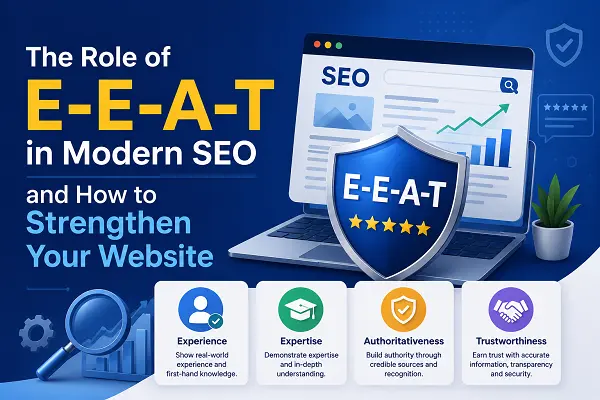
The baseline for earning high organic search visibility has evolved beyond basic technical optimization. Search engine scoring systems increasingly rely on automated classifiers designed to evaluate the real-world credibility of digital content. This evaluation centers heavily on the core framework of Experience, Expertise, Authoritativeness, and Trustworthiness (E-E-A-T).
As automated text generation continues to saturate the web, Google utilizes these quality assessment dimensions to separate superficial pages from deeply valuable resources. To safeguard your domain against algorithmic volatility, you must transform your content production from passive information aggregation into an active showcase of verified knowledge and unshakeable digital trust.
Deconstructing the Pillars of Algorithmic Credibility
E-E-A-T operates as a multidimensional filtering system that assesses the background context behind published information. Each element analyzes a unique aspect of a website’s structural and editorial integrity.
-
First-Hand Experience: Evaluation models actively hunt for evidence of real-world involvement, ensuring content creators have physically handled a product, managed a project, or executed a specific process.
-
Topical Expertise: This dimension quantifies the depth of technical mastery presented in the text, prioritizing nuanced vertical insight over generic, surface-level definitions.
-
Structural Authoritativeness: Ranking algorithms look at off-site reputation signals, identifying whether external industry peers look to your organization or writers as a definitive resource.
-
The Trust Core: Serving as the foundation of the entire matrix, trust ensures your web property provides transparent ownership information, accurate factual citations, and safe transactional environments.
Practical Workflows to Quantify Authority and Experience
Proving your brand’s legitimacy requires implementing tangible onsite design and editorial features that quality evaluation algorithms can easily detect and classify.
-
Build Granular Author Ecosystems: Link every piece of content to an individual biography page that highlights real-world degrees, professional certifications, and historical industry publications.
-
Incorporate Original Research Metrics: Weave proprietary trial data, internal company case studies, or custom data collection readouts directly into your explanatory paragraphs.
-
Publish Transparent Editorial Policies: Add a dedicated document outlining your factual verification workflows, human editing processes, and clear artificial intelligence usage guidelines.
-
Implement Nested Knowledge Graph Schema: Utilize meticulous JSON-LD schema markup to structurally connect your authors, organization, and primary products to verified global entity repositories.
Shifting From Information Aggregation to Unique Information Gain
The most resilient defensive strategy against sudden core algorithm drops is prioritizing information gain. A webpage that merely summarizes pre-existing index listings fails to satisfy modern quality classifiers, as it provides zero net-new utility to the searcher.
To overcome this, re-engineer your writing process to focus on solving complex user friction points using distinct corporate insights. Replace standard descriptive text with interactive troubleshooting walkthroughs, expert interviews, or detailed analytical breakdowns. By anchoring your digital library in exclusive, verified data that cannot be scraped or simulated, you align perfectly with the core intent of search discovery systems.
Conclusion
E-E-A-T is not a checklist of keywords, but a holistic blueprint for establishing long-term digital enterprise value. By validating the human experience behind your content and maintaining complete transparency, you insulate your organic traffic from algorithmic shifts and cement your place as a trusted vertical authority.
Frequently Asked Questions
Is E-E-A-T a direct algorithmic ranking factor?
It acts as a conceptual framework used to train human quality raters and refine underlying automated machines, meaning it influences visibility through aggregate trust signals.
How does a new website demonstrate experience?
Incorporate distinct first-person language, real project screenshots, explicit case studies, and step-by-step failures or successes encountered during your operational testing.
Does E-E-A-T apply equally to all topic niches?
It is heavily mandated for Your Money or Your Life (YMYL) sectors—such as finance, medical health, and legal guidance—where inaccurate data can cause direct physical or financial harm.
What is the fastest way to improve a website’s trust score?
Ensure your domain prominently features clear corporate contact details, comprehensive terms of service documents, explicit refund protocols, and secure HTTPS encryptions.
Should I delete articles written by anonymous authors?
Rather than immediate deletion, update those valuable assets by assigning them to a verified internal subject matter expert and appending a comprehensive creator biography.