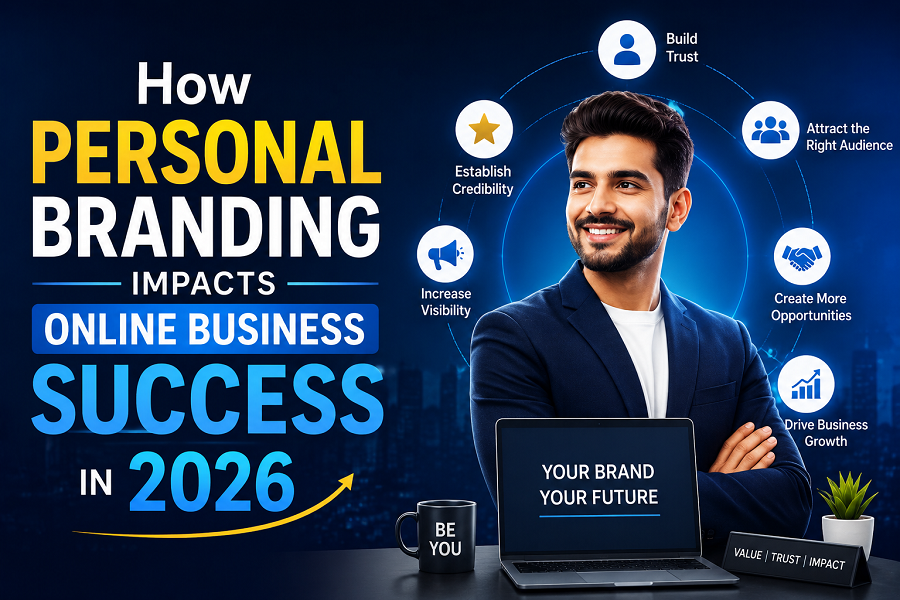
Building a business behind a corporate logo is no longer enough to win customer loyalty. Online markets are saturated with automated text, generic storefronts, and identical product features. To break through the noise, founders, creators, and executives are turning to personal branding. Putting a human face and a distinct voice behind a company builds immediate rapport, transforms marketing efficiency, and directly fuels revenue growth.
Why Personal Branding Is the Ultimate Trust Accelerator
Audiences crave authenticity because algorithmic content and deepfakes have made people deeply skeptical of what they see online. A personal brand acts as a digital handshake. When a business owner shares their real-world experiences, failures, and breakthroughs, it builds Experience, Expertise, Authoritativeness, and Trustworthiness (E-E-A-T) in a way a faceless brand cannot.
This human connection alters how consumers make purchasing decisions:
-
Decreased Sales Friction: Buyers skip the lengthy hesitation phase because they feel they already know, like, and trust the person behind the product.
-
Commanding Premium Pricing: Consumers willingly pay more to buy from recognized industry authorities rather than anonymous budget competitors.
-
Organic Word-of-Mouth: People talk about, tag, and recommend individual creators and leaders far more frequently than they share corporate social media pages.
-
Sustainable Audience Retention: Customers stick around for the long term because they are invested in your ongoing professional journey, reducing subscriber churn.
Shifting Marketing Dynamics: From Paid Ads to Human Connection
Relying solely on paid advertising has become a risky strategy due to rising acquisition costs and strict data privacy regulations. A strong personal brand offers a self-sustaining marketing engine fueled by organic search visibility and direct community engagement. Instead of renting an audience through ad networks, you own your distribution channel.
Transforming your personal reputation into an enterprise asset requires a structured, multi-channel approach:
-
Map Out Your Unique Content Core: Identify the exact intersection of your professional skills, unique personal history, and the specific pain points of your target audience.
-
Select a Primary Pillar Platform: Focus your energy on one specific channel where your target market gathers, whether that is a text-heavy professional network, a video ecosystem, or a deep-dive audio format.
-
Document Instead of Creating: Share raw, behind-the-scenes insights from your daily business operations rather than trying to manufacture polished, artificial content.
-
Engage via Intentional Dialogue: Spend time every day responding to comments, answering direct messages, and participating in discussions hosted by peers in your industry.
Securing Long-Term Enterprise Value and Direct Monetization
A personal brand is highly portable, meaning its value lasts far beyond a single product launch or business venture. If you pivot industries, sell your current company, or launch a new service line, your audience moves with you. This creates an incredibly resilient foundation for modern entrepreneurship.
Furthermore, a well-defined personal profile acts as a natural magnet for lucrative business opportunities. Strategic partners, high-level talent, and media outlets prefer dealing with charismatic individuals rather than corporate public relations departments. By positioning yourself as a thought leader, you open doors to joint ventures, speaking invitations, and exclusive deals that expand your market reach without inflating your traditional marketing budget.
Conclusion
Personal branding has evolved from an optional marketing tactic into a core requirement for online business survival. By stepping out from behind the corporate curtain and sharing your genuine perspective, you build unshakeable customer trust, lower your marketing costs, and future-proof your career. The businesses that dominate tomorrow are those led by visible, relatable humans today.
Frequently Asked Questions
Can I build a personal brand if I am an introvert?
Yes. Authentic personal branding is about sharing specialized knowledge and helping your audience, not being loud or performative. Written content, deep-dive newsletters, and insightful industry commentary work exceptionally well for introverts.
How much time should I spend on my personal brand each week?
Dedicate three to five hours per week. Focus this time on creating one high-quality piece of foundational content and spending a few minutes each day interacting directly with your community.
Will a personal brand overshadow my actual company?
It will enhance it. Your personal profile acts as a gateway that directs attention, traffic, and credibility back to your main business offerings.
What if my business serves a strict B2B audience?
B2B buyers are still human beings who prefer doing business with visible experts. A strong professional reputation streamlines corporate procurement and B2B sales cycles.
How do I measure the return on investment of a personal brand?
Track inbound business inquiries, direct messages asking for your services, speaking invitations, organic website traffic growth, and a lift in email newsletter sign-ups.