
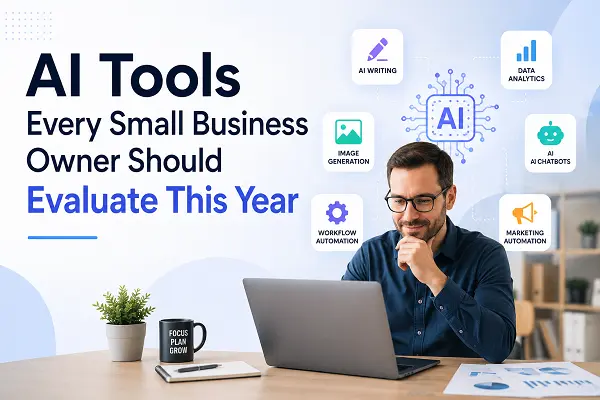
The digital landscape has shifted from basic software automation to deeply integrated, intelligent workflows. Small business owners no longer need enterprise-scale budgets to leverage advanced technical capabilities. Instead, accessible, specialized software platforms now allow lean teams to optimize daily operations, manage client data, and handle administrative burdens with unprecedented speed.
Evaluating these tools is no longer about keeping pace with future trends; it is about protecting your immediate operational margins. The right systems eliminate the friction of repetitive manual tasks, giving entrepreneurs the freedom to focus on strategic growth and relationship building. Selecting the proper ecosystem requires understanding exactly which friction points require immediate resolution within your business infrastructure.
Optimizing Productivity: Advanced Assistants and Workspace Ecosystems
Centralizing operations inside unified digital workspaces reduces the hidden costs of switching between disconnected applications. Modern productivity suites embed conversational intelligence directly into core business communication channels, spreadsheets, and document hubs. Rather than acting as standalone destination sites, these enhancements serve as contextual partners that understand your internal business data.
Implementing an intelligent workspace upgrade optimizes internal efficiency across several core administrative functions:
-
Instant Conversational Summaries: Condensing lengthy, multi-user email threads into brief, actionable bullet points containing clear owner assignments.
-
Automated Data Preparation: Transforming raw, unorganized spreadsheet records into clean, categorized financial or inventory datasets without manual sorting.
-
Dynamic Content Blueprints: Generating initial layouts for internal employee handbooks, standard operating procedures, or project timelines instantly.
-
Intelligent Document Access: Querying vast internal cloud storage folders using everyday language to locate specific contracts, policy documents, or historical customer notes.
Redefining Time Management through Automated Coordination and Calendaring
Managing meeting schedules and protecting deep work blocks is a constant struggle for independent operators. Traditional scheduling software still requires manual adjustment when client priorities shift or projects run over time. Next-generation time management systems use machine learning algorithms to continuously optimize your calendar based on deadlines, meeting importance, and individual energy levels.
Establishing an automated scheduling infrastructure follows a clear framework designed to maximize daily output:
-
Autonomous Focus Protection: Automatically blocking out dedicated multi-hour windows for high-priority tasks while dynamically moving internal meetings to less productive periods of the day.
-
Predictive Workload Distribution: Analyzing upcoming project deadlines across team calendars to prevent burnout by automatically shifting task assignments.
-
Contextual Appointment Routing: Evaluating inbound client scheduling requests and matching them to the exact team specialist best equipped to handle the specific inquiry.
-
Adaptive Buffer Integration: Automatically injecting rest breaks and travel time into calendars when back-to-back appointments threaten to derail a daily schedule.
Streamlining Operational Interoperability with No-Code Integration Hubs
A common operational bottleneck for scaling businesses is data fragmentation, where vital customer information remains trapped inside separate applications. No-code orchestration platforms resolve this by serving as a central nervous system that binds disconnected tools together. These hubs watch for real-time triggers in one app and instantly execute multi-step logic paths across entirely different systems.
For example, when a prospect completes an online contact form, an integration hub can immediately check your relationship manager software for historical interactions. Simultaneously, it can draft a personalized follow-up email, log a reminder task for a sales representative, and send an instant notification to an internal team chat channel. This entire sequence occurs autonomously, ensuring no warm lead slips through due to administrative delay.
Conclusion
The democratization of advanced software tools gives small businesses the operational agility of a corporation without the associated overhead. By selecting systems that simplify administrative workflows, protect valuable time, and connect fragmented data, entrepreneurs can scale their impact sustainably. Evaluating these digital solutions with a focus on immediate business friction ensures your technology infrastructure remains a powerful asset for long-term growth.
FAQs
Do I need specialized technical skills to implement these tools?
No, the vast majority of modern platforms use natural language interfaces and visual, drag-and-drop dashboards. Business owners can set up complex automated workflows and manage data pools using standard conversational commands.
How do these systems handle sensitive customer and financial data?
Reputable enterprise software providers maintain strict data isolation protocols and compliance certifications. It is essential to choose platforms that guarantee your internal corporate information will not be used to train public machine learning models.
Can these tools integrate with the legacy software I already use?
Yes, modern integration hubs possess pre-built connections for thousands of standard business applications. This allows you to introduce intelligent automation layers without abandoning your existing email, bookkeeping, or e-commerce foundations.
What is the most effective way to choose a tool for evaluation?
Identify the single process that causes the highest amount of daily friction or consumes the most administrative hours. Focus your initial evaluation strictly on a tool that resolves that specific bottleneck before attempting to automate other departments.
Are these platforms cost-effective for solo entrepreneurs?
Yes, most providers offer scalable pricing models, including entry-level tiers designed specifically for solo founders. The small monthly subscription fee is typically offset by saving hours of manual labor every week.