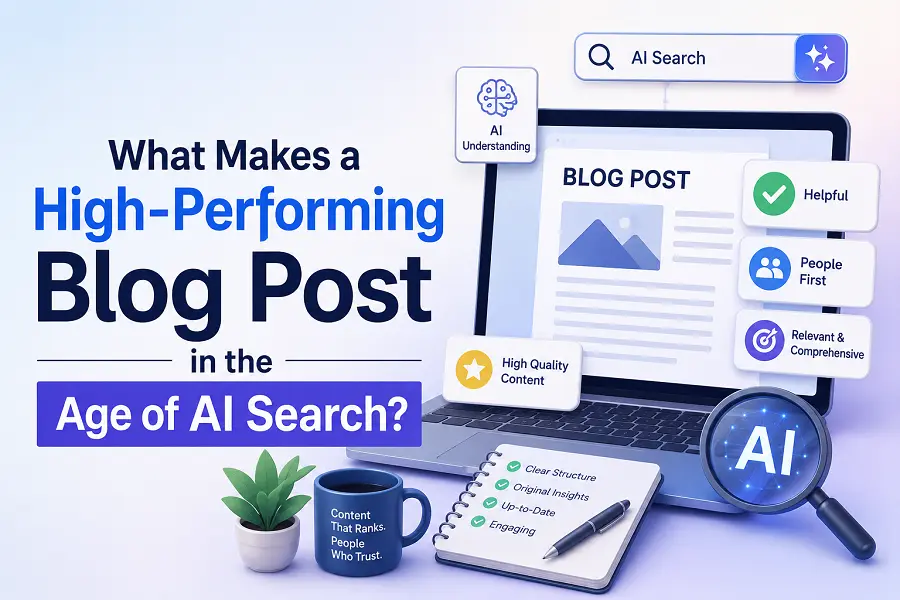
Search engines no longer just point users to a list of blue links; they synthesize answers directly on the results page. To rank and drive traffic now, a blog post must offer value that an AI cannot easily replicate or summarize. High-performing content succeeds by satisfying intense user intent, demonstrating real-world experience, and structuring information for both human readers and machine learning algorithms.
Shifting from Keyword Matching to Information Gain
The baseline for content quality has risen. Because generative tools can instantly produce generic overviews, search algorithms now prioritize “information gain“—the introduction of new, unique data or perspectives not found in the top ten search results.
To achieve high performance, content creators must focus on unique value markers:
-
First-Hand Experience: Incorporate original insights, unique testing data, or personal case studies that prove you have physically interacted with the subject.
-
Unique Frameworks: Present proprietary methodologies or mental models that simplify complex topics for the reader.
-
Original Imagery and Graphics: Use custom visuals, diagrams, or screenshots instead of stock photography to explain concepts visually.
-
Expert Quotes: Feature contrarian viewpoints or quotes from internal or external industry practitioners to build authority.
Architecting Content for AI Overviews and Featured Snippets
AI search engines rely on clear document structure to parse, extract, and display information in summaries. If a machine learning model cannot understand the relationship between your headings and paragraphs within milliseconds, the content will lose visibility.
-
Lead with the Answer: Use the “inverted pyramid” writing style. State the direct answer to the primary query in the first two sentences of a section to target snippet positioning.
-
Use Clear Semantic Headings: Organize sections with descriptive H2 and H3 tags that use natural language queries instead of cryptic or clever titles.
-
Apply Clean Formatting: Structure lists, step-by-step processes, and comparative data using native Markdown or HTML so crawlers can easily scrape the data.
-
Answer the “Why” and “How”: Follow up brief, direct answers with deep-dive contextual explanations that encourage users to click through to your site for the full story.
Balancing Comprehensive Depth with Extreme Readability
Covering a topic thoroughly does not mean writing dense walls of text. Users skim content to find specific answers, and search engines track these engagement patterns. The highest-performing articles blend comprehensive topical coverage with a frictionless user experience.
Write short sentences that deliver one clear idea at a time. Eliminate introductory filler, transition phrases, and repetitive conclusions. Every paragraph must advance the user’s understanding or solve a specific micro-problem. Use active verbs and simple language to ensure the text is accessible to a broad audience while maintaining professional authority.
Conclusion
Creating a high-performing blog post requires shifting from basic search engine optimization to comprehensive user optimization. By prioritizing information gain, formatting for algorithmic clarity, and delivering undeniable human expertise, your content will thrive in the evolving search ecosystem.
FAQs
What is information gain in SEO?
Information gain is an algorithmic measure of how much new, unique information a web page adds to a user’s search journey compared to sources they have already viewed.
How long should a blog post be to rank well now?
Word count is not a ranking factor. A post should be exactly as long as it takes to answer the user’s intent completely and efficiently without adding fluff or filler text.
How do AI overviews change user search behavior?
AI overviews answer simple factual queries directly on the search results page, which reduces clicks for informational queries but increases high-intent traffic to deep-dive, authoritative sources.
Should I stop targeting traditional keywords?
No, keywords still signal topical relevance. However, you should focus on optimization around semantic clusters, user intent, and natural conversational phrases rather than exact-match keyword density.
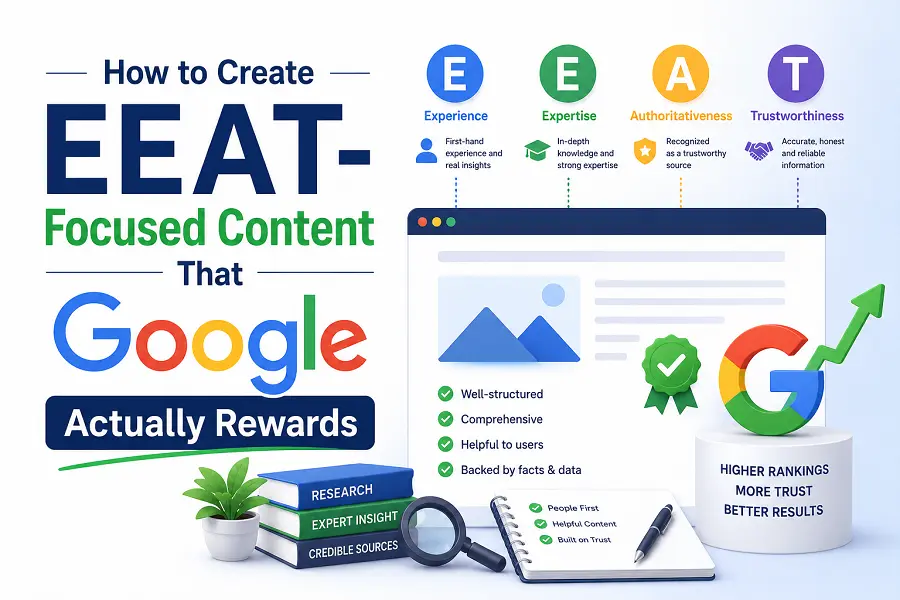
What is the best way to show E-E-A-T in a blog post?
Demonstrate Experience, Expertise, Authoritativeness, and Trustworthiness by including author bios, citing hands-on testing, sharing original data, and ensuring your site maintains high security and editorial standards.