The era of scaling massive, low-quality blog footprints to manipulate search engine indexation has ended. Google’s core ranking systems actively filter out repetitive, superficial content libraries that offer nothing but paraphrased keyword variations. Establishing industry authority no longer requires a relentless publishing schedule that dilutes your site’s structural value.
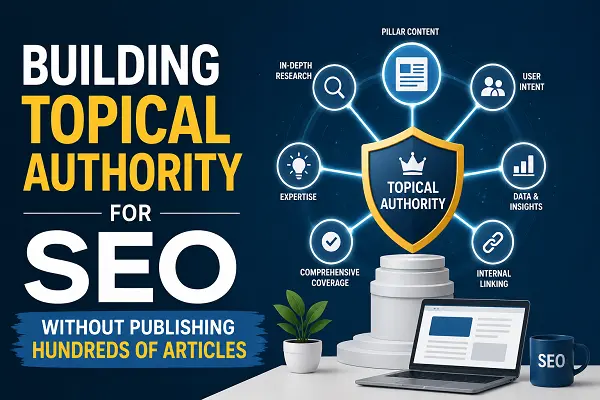
True topical authority is built through information depth, comprehensive concept mapping, and structural entity associations. By focusing on a lean content architecture where every single page serves as a high-density reference node, you satisfy the strictest quality evaluations. This approach ensures your domain remains highly visible across standard algorithmic rankings and generative answer engines with a fraction of the traditional publishing overhead.
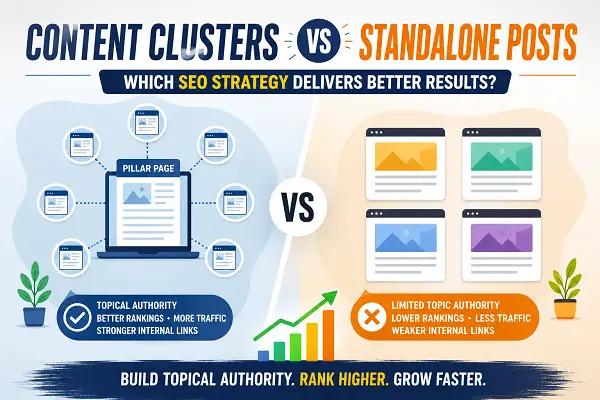
Designing High-Density Semantic Content Clusters
Achieving niche dominance with a small inventory requires engineering your existing pages to cover broad intent landscapes. Instead of breaking a single subject into dozens of thin, targeting articles, you must build multi-layered resource hubs that exhaustively address semantic entities.
-
Comprehensive Entity Mapping: Structure your core pages around foundational concepts and specialized terminology rather than single keyword strings, creating strong relational networks for crawlers.
-
Intent Layer Aggregation: Combine informational, exploratory, and commercial user intents into single, cohesive document pathways to prevent internal keyword cannibalization.
-
Deep Contextual Sourcing: Embed precise industry data points, regulatory parameters, and technical nomenclature directly into your text to establish unmistakable vertical expertise.
-
Dynamic Asset Refinement: Regularly audit and expand existing cornerstone URLs to include rising niche subtopics rather than publishing entirely new, competing web pages.
The Information Gain Strategy for Lean Content Libraries
To stand out within a crowded index, a page must introduce distinct utility that search bots cannot find on competing domains. This differentiation relies heavily on injecting unique qualitative and quantitative elements into your core content assets.
-
Integrate Proprietary Metric Proofs: Weave raw internal experimental findings, specific corporate trial data, or unique brand survey results directly into the primary sections of your text.
-
Incorporate First-Person Expert Perspectives: Replace generic descriptions with direct field notes, strategic observations, or technical troubleshooting feedback from qualified subject matter experts.
-
Deploy Structural Markdown Accents: Isolate key takeaways, conditional steps, and primary definitions into explicit bullet lists and bolded entity strings to allow seamless machine parsing.
-
Incorporate Unique Visual Workflows: Build custom, high-resolution process diagrams or structural flowcharts that visually summarize complex operational concepts for the reader.
Structural Internal Linking for Vector Proximity
The programmatic connection between your web pages tells search crawlers exactly how authoritative your domain is on a specific topic. A small content footprint depends entirely on a flawless, hyper-focused internal linking matrix.
Every supporting page must link directly back to your primary hub using clear, descriptive anchor text that communicates exact contextual relationships. Avoid generic cross-linking strings that provide no conceptual value. By maintaining a tight, closed-loop linking architecture, you consolidate your site’s link equity and push vector proximity signals to the highest possible levels, signaling complete topical competence to semantic search crawlers.
Conclusion
Shifting from content volume to content density is the most sustainable path to long-term search visibility. By mapping broad semantic entities within single, high-utility documents and maintaining a strict, logical internal linking structure, you establish definitive niche authority without inflating your site’s digital footprint.
Frequently Asked Questions
Can a website with under fifty total pages rank for competitive terms?
Yes. When a site features exceptionally high information density, clear expert attribution, and strict entity-focused internal linking, search engines prioritize its depth over massive directories.
How do I identify topical gaps without checking hundreds of keywords?
Analyze the foundational entity concepts used by primary industry organizations and compare them against your existing hub architecture to isolate unaddressed technical definitions.
Does a low-volume strategy require more complex schema markup?
Implementing highly detailed JSON-LD schema layers is critical because it gives search engines an explicit roadmap of your semantic connections without requiring text volume.
How often should I update a small content catalog to preserve rankings?
Refresh your cornerstone assets whenever core industry standards change, or when internal testing yields new data points that alter the accuracy of your published claims.
Should I merge multiple short blog posts into a single guide?
Consolidating thin, overlapping pages into one authoritative, multi-layered document is highly effective for instantly boosting topical authority and eliminating internal ranking conflicts.