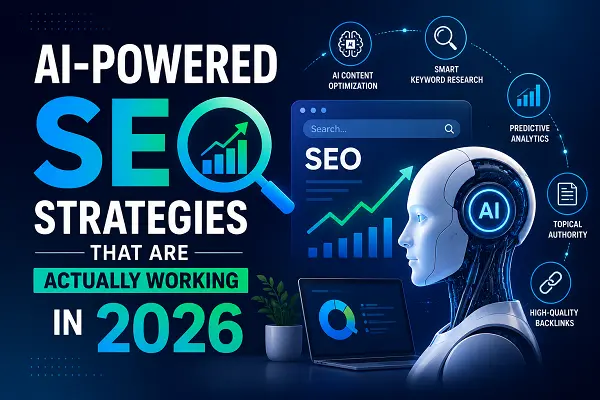
The intersection of artificial intelligence and search engine optimization has moved past basic prompt engineering. In 2026, generic automated content scaling actively triggers algorithmic filtering, forcing brands to rethink how machine learning integrates into their organic growth workflows. Success now belongs to engineering frameworks that optimize for how modern search ecosystems retrieve, synthesize, and display information.
Instead of treating AI as a cheap copywriter, forward-thinking digital marketers use algorithmic tools to decode user intent, map advanced entities, and format information for direct extraction. By focusing on semantic clarity and data infrastructure, you can capture prime real estate within traditional organic rankings and generative search summaries alike.
Predictive Intent Clustering Over Keyword Matching
Relying on individual target keywords fails to capture how modern search engines group conceptual meaning. Advanced strategies utilize machine learning models to analyze massive clickstream datasets, mapping secondary and tertiary intent paths before a single piece of text is even outlined.
-
Algorithmic Vector Mapping: AI tools categorize search queries based on deep semantic mathematical vectors rather than superficial character matches, ensuring your content framework matches systemic understanding.
-
Automated Content Gap Auditing: Machine learning scripts parse top-ranking pages across entire verticals simultaneously, isolating exact subtopics, data types, and reference points that your current domain lacks.
-
Dynamic Funnel Alignment: Software models automatically organize thousands of search terms into definitive informational, commercial, or transactional clusters, preventing content cannibalization across complex site architectures.
-
Predictive Trend Identification: Natural language processing tools monitor social platforms, community forums, and patent filings to flag rising informational demands weeks before they register in legacy search volume tools.
Optimizing for Retrieval-Augmented Generation (RAG) Engines
To claim a prominent citation link within an AI Overview response, your site data must be structured for low-friction machine extraction. This process requires a systematic approach to structural feature engineering.
-
Lead with Isolated Direct Definitions: Place a clear, single-sentence summary directly beneath your secondary headings. This provides a clean, self-contained textual node that automated scrapers can easily lift and credit.
-
Maximize Entity Density: Inject explicit nouns, established technical methodologies, regulatory entities, and definitive geographic data. Avoid ambiguous pronouns like “this system” or “that strategy” which break semantic association chains.
-
Embed Programmatic Schema Architecture: Deploy highly customized, nested JSON-LD schema layers across every URL. This machine-readable translation ensures search bots instantly comprehend the structural relationship of your content parts.
-
Introduce Verified Proprietary Data Points: Incorporate internal experimental findings, unique corporate case study metrics, or customized industry survey readouts. RAG engines systematically favor original informational gains over repetitive web index summaries.
Automated Micro-Formatting for High Scannability
The physical layout of web content directly influences its algorithmic performance. Pages built as dense blocks of prose are routinely passed over by extraction crawlers in favor of highly segmented informational frameworks.
Structuring content with clear visual accents allows parsing tools to tokenize your text in real time. Utilizing brief paragraphs, contextual bolding on critical nouns, and clean bullet lists ensures that both human readers and automated synthesis layers find instant utility. This architectural approach minimizes the computing power search engines require to analyze your domain, giving your brand a distinct competitive advantage in competitive digital landscapes.
Conclusion
Winning the search landscape in 2026 requires shifting your perspective from text volume to informational value and structural alignment. By leveraging artificial intelligence to build predictive intent frameworks and engineering your content assets for seamless RAG extraction, you transition from traditional keyword placement to true semantic authority.
Frequently Asked Questions
What is the most effective way to rank in AI Overviews?
The fastest path to inclusion is prioritizing high information gain by injecting unique internal metrics, primary source observations, or expert field quotes into clean, structurally isolated paragraph blocks.
Do commercial AI detectors hurt a website’s organic visibility?
Search algorithms prioritize behavioral utility, factual precision, and author transparency over the literal mechanism used to build the initial draft text.
How has keyword research changed due to AI search integrations?
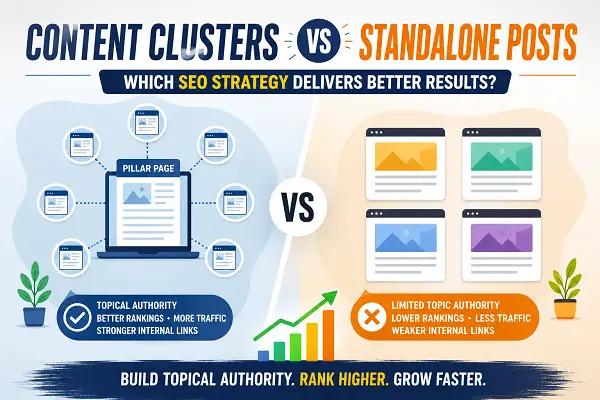
Traditional individual search volumes have been replaced by conceptual vector themes. Strategy now focuses on owning entire topic maps and solving multi-layered user queries within a single hub.
Does schema markup still matter for AI-driven SEO?
Advanced JSON-LD schema is critical. It serves as an explicit, translation-free dictionary that helps generative crawlers accurately parse and categorize your content entities without misinterpretation.
Should I delete thin content to protect my domain authority?
Pruning or expanding repetitive, low-performing text loops is highly beneficial. Consolidating weak pages into high-density assets prevents core update penalties and optimizes your overall crawl budget.