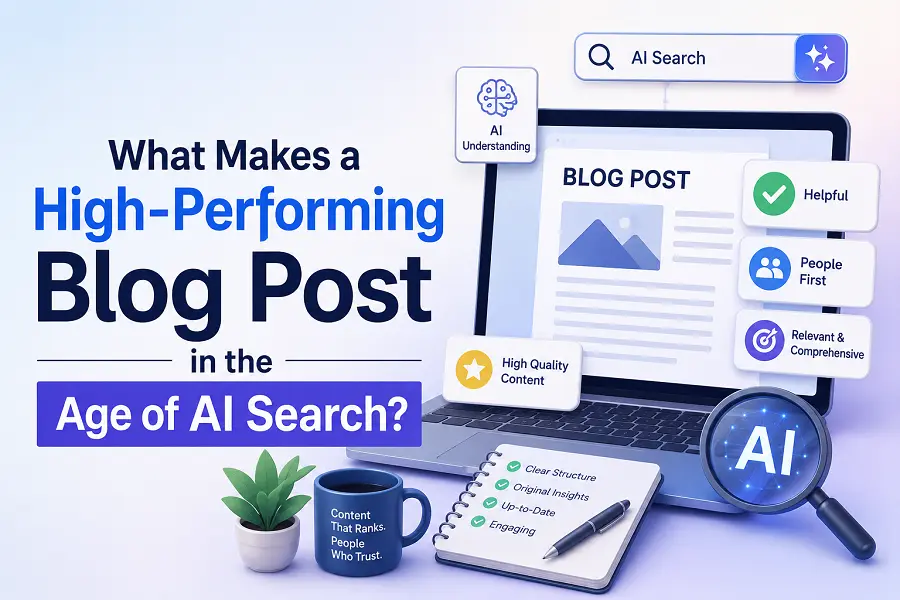

The digital ecosystem is undergoing a profound transformation. Audiences are no longer satisfied with surface-level answers, and the mechanics of how people discover information have fundamentally changed. Navigating these shifts requires moving beyond static, high-volume publishing and embracing a strategy focused on deep utility, transparent knowledge, and genuine human connection.
Succeeding today means aligning your brand with advanced search mechanics and evolving audience behaviors. The following strategic updates detail the major shifts redefining content delivery and how your organization can adapt to stay competitive.
Optimizing for Generative Search and AI Overviews
Information discovery is moving rapidly from classic search engine result pages to conversational AI interfaces and instant generative summaries. Users increasingly expect direct, highly accurate answers without needing to click through multiple websites. This shift changes the core question of visibility: it is no longer just about ranking for a specific keyword phrase, but about becoming the trusted source that an artificial intelligence platform extracts and cites.
To maintain visibility in an AI-driven discovery environment, focus on clear, structured informational delivery:
-
Create concise answer blocks: Design the opening paragraph of informational sections to state a definitive answer or core concept within 40 to 60 words. This clear structure makes it easy for machine learning models to parse and pull into summaries.
-
Incorporate concrete data points: Use exact figures, original research insights, and unique case outcomes. Content featuring precise metrics is more likely to be selected as a citation source.
-
Target exact user intent: Structure assets around comprehensive topic clusters that cover a single subject thoroughly, rather than writing thin pieces around fragmented keywords.
-
Maintain cross-platform consistency: Ensure your brand perspective, core facts, and professional insights are unified across third-party networks, industry databases, and owned media channels to build a recognizable informational identity.
Transitioning From Mass Broadcasts to Community Hubs
Traditional mass marketing strategies are seeing diminishing returns as audiences experience digital fatigue from over-automated outreach. General messaging often feels detached, pushing consumers toward spaces where dialogue and shared values guide interaction. Trust is built within dedicated environments where real practitioners exchange experiences.
Building a sustainable audience footprint now requires moving away from pure broadcasting and moving toward interactive, owned ecosystems. Consider these structural formats to deepen audience relationships:
-
Private discussion channels: Establish dedicated forums or professional networking groups where members can share real-time challenges and peer-reviewed solutions.
-
Interactive informational tools: Develop self-assessment calculators, live polls, and visual data dashboards that give users immediate, customized insights based on their input.
-
Founder and expert perspectives: Shift production toward transparent, first-person narratives that showcase behind-the-scenes processes, lessons from failures, and genuine professional viewpoints.
-
Collaborative case studies: Partner directly with clients to build detailed narrative breakdowns that focus heavily on practical application rather than promotional sales copy.
Prioritizing Deep Informational Authority Over Volume
The ease of mass-producing text means web platforms are flooded with generic, repetitive articles. Algorithms and users alike are actively filtering out this digital noise, preferring content that demonstrates genuine first-hand experience and deep subject matter expertise. True authority cannot be replicated by automated software alone; it requires deep industry knowledge and practical observation.
To protect and grow organic reach, transition your publishing calendar toward comprehensive, experience-driven editorial assets. This means replacing surface-level overviews with technical guides, deep-dive industry analyses, and primary-source interviews. By centering your production around unique insights, you provide clear value that automated systems cannot easily duplicate.
Conclusion
The future of content marketing belongs to organizations that treat information as a high-value product. Success requires a balanced approach: using technical optimization to ensure your insights are accessible to generative AI engines, while maintaining the human depth needed to build long-term customer relationships. Focusing on deep authority, structured clarity, and genuine community engagement ensures your brand remains visible, relevant, and trusted.
Frequently Asked Questions
How does generative search alter traditional keyword optimization?
Generative search prioritizes clear concepts, semantic context, and direct answers over repetitive phrase matching. Content must be highly structured and focus on satisfying complex user intents thoroughly to be extracted as an authoritative summary source.
Why is long-form, in-depth content gaining more traction than short blog updates?
Short, generic updates are easily replicated and fail to provide actionable value. Audiences and modern search systems actively favor long-form material because it delivers full context, answers follow-up questions, and demonstrates true subject matter expertise.
What role does human experience play in an automated production landscape?
Human experience provides the original viewpoints, creative storytelling, and professional nuance that automated tools lack. Lived experience, proprietary data, and unique case outcomes are essential for building trust and satisfying modern search quality criteria.
How can a business start shifting toward community-driven content?
Begin by identifying where your core audience naturally discusses industry challenges. Transition your strategy from purely publishing promotional updates to creating interactive resources, hosting expert Q&As, and facilitating peer-to-peer dialogues.
What is the most effective way to format text for AI summaries?
Use clear headings, bulleted lists, and place standalone, direct answers near the beginning of each major section. Keeping definitions and conclusions clear and free of filler text allows machine learning models to easily identify your content as a prime summary source.