
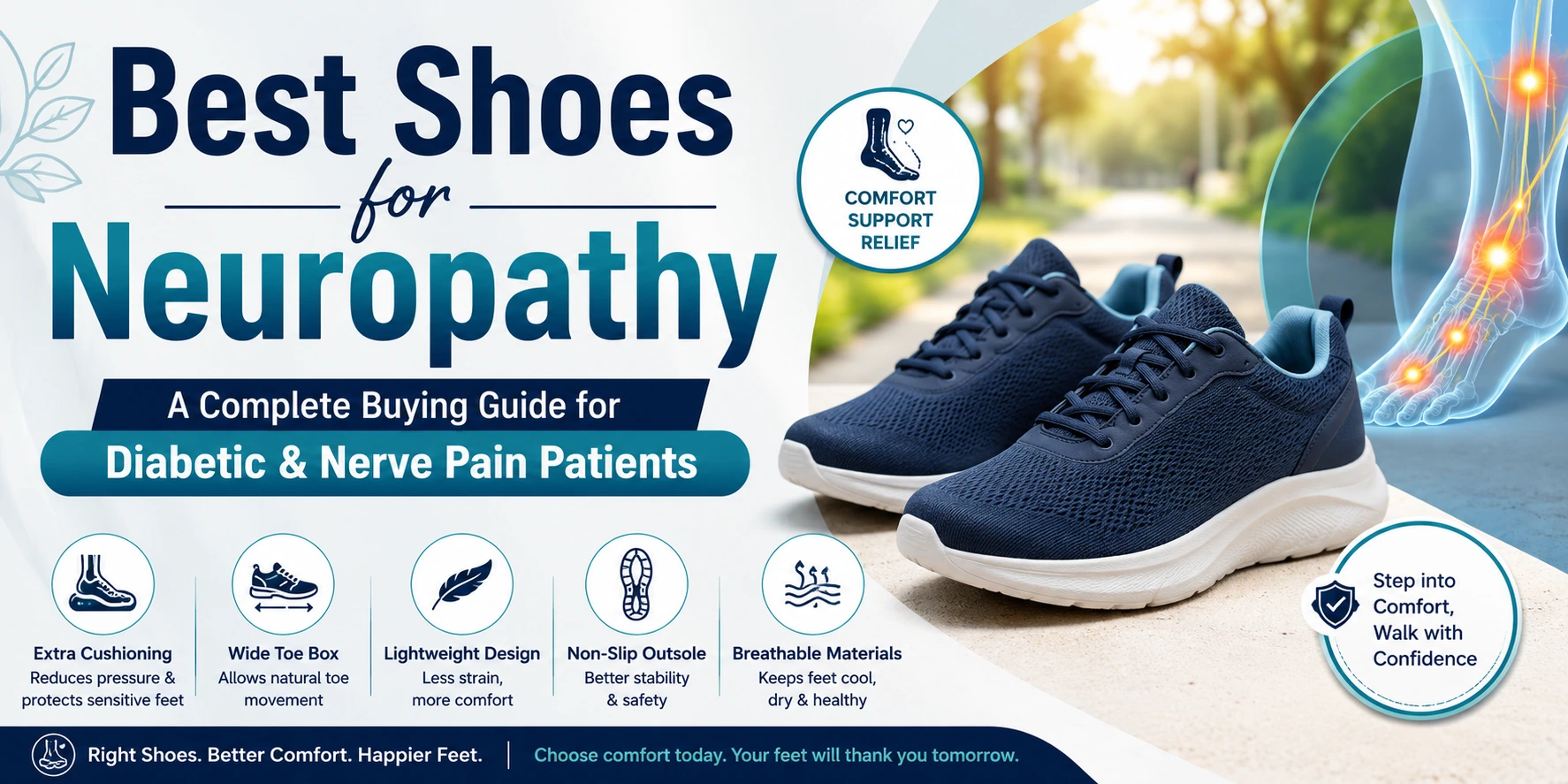
If your feet feel like they’re wrapped in static — tingling, burning, or just numb in patches — you already know that “just grab any comfortable sneaker” is terrible advice. Neuropathy doesn’t care that a shoe looks good in reviews. It cares about seams, pressure points, and whether you can even feel a pebble before it turns into a blister you didn’t notice for three days.
I’ve spent a lot of time talking to people managing diabetic neuropathy — a father-in-law who switched shoes four times before finding one that didn’t leave marks on his skin, a physical therapist who fits patients for orthotics weekly, forum threads full of people comparing notes on which brand actually delivers what it promises. The short answer to “what are the best shoes for neuropathy” is: it depends on your foot shape, your level of sensation loss, and whether you also deal with diabetes-related circulation issues. But there are clear, non-negotiable features to look for, and that’s what this guide covers.
The Quick Answer (For Those Who Just Want a Starting Point)
If you want the short version before diving in: look for shoes with a wide, deep toe box, seamless interiors, removable cushioned insoles (so you can swap in custom orthotics), a firm but flexible sole, and non-binding closures like Velcro or elastic laces instead of tight laces that dig in. Brands frequently recommended by podiatrists for neuropathy and diabetic feet include Orthofeet, New Balance’s wide-width lines, Dr. Comfort, Propét, and select Skechers and Brooks models with extra depth. None of these are a guarantee — foot shape varies too much for one-size-fits-all advice — but they’re a solid starting point.
Now let’s get into why each feature actually matters, because understanding the “why” will help you evaluate any shoe, not just the ones on someone else’s list.
Why Regular Shoes Fail People With Neuropathy
Most shoes are designed assuming your feet can tell you when something’s wrong. A regular sneaker might have a slightly raised seam near the toes, a narrow midsection, or a rigid heel counter — and for someone with full sensation, that’s a minor annoyance they’d notice and adjust for. For someone with neuropathy, especially diabetic neuropathy, that same seam can rub for hours without any warning signal, and rubbing skin with reduced blood flow heals slowly. That combination — no pain signal plus slow healing — is exactly how minor shoe issues turn into ulcers, and in serious cases, why podiatrists take footwear so seriously for diabetic patients.
This isn’t meant to scare you. It’s meant to explain why “best shoes for neuropathy” searches turn up so many specialty brands instead of just pointing you to whatever’s popular at the mall.
What to Actually Look For When Buying
1. A Wide, Deep Toe Box
Your toes need room to sit naturally without touching the sides or top of the shoe. Neuropathy often comes with foot swelling, especially by the end of the day, so a shoe that fits in the morning might feel crushing by evening. Extra depth also matters if you use custom orthotics or need room for mild bunions or hammertoes, which are common in people who’ve had neuropathy for years.
2. Seamless or Minimal-Seam Interiors
Look specifically for “seamless” or “diabetic-friendly” in the product description. Brands like Orthofeet and Dr. Comfort build entire lines around this. It sounds like a small detail until you’ve dealt with a hot spot you couldn’t feel forming.
3. Removable Insoles
This one’s easy to overlook, but it’s arguably the most practical feature on this list. If your podiatrist prescribes custom orthotics, you need a shoe built to accommodate them — not one where the factory insole is glued in. Even without custom orthotics, a removable cushioned insole lets you replace it every six months or so instead of replacing the whole shoe.
4. Non-Binding, Adjustable Closures
Traditional laces tied tight can restrict circulation, which is the last thing you want with neuropathy that’s often tied to poor blood flow. Velcro straps, elastic laces, or wide adjustable closures let you get a snug fit without cutting off circulation — and they’re genuinely easier to manage if you also have reduced hand dexterity or grip strength, which sometimes comes hand-in-hand with peripheral neuropathy.
5. A Stable, Cushioned, but Not Overly Soft Sole
There’s a common myth that softer is always better. It’s not. A sole that’s too soft or unstable can actually increase your fall risk, since neuropathy already affects balance and proprioception (your sense of where your feet are in space). What you want is cushioning that absorbs shock — especially under the heel and ball of the foot — combined with a firm, stable base that doesn’t wobble.
6. Low, Even Heel Height
Skip anything with a heel over an inch. An even, low platform keeps your weight distributed properly and reduces pressure concentration on the forefoot, which is a common site for diabetic ulcers.
Best Shoes for Neuropathy in Feet: Men vs. Women — Does It Actually Matter?
Functionally, no — men and women need the same core features. But sizing and shape do differ, and this is where a lot of buying guides get lazy and just recommend the same unisex list for everyone.
Best shoes for neuropathy women tend to need more room in the forefoot relative to heel width than standard women’s shoe lasts (the mold a shoe is built around) typically offer, which is why several diabetic-shoe brands offer women’s-specific wide and extra-wide widths rather than just shrinking a men’s shoe. If you’ve ever bought a “women’s wide” shoe that still felt tight across the toes, that’s often the reason — it wasn’t built on a wide last to begin with, just resized.
Men’s shoes for neuropathy usually have more off-the-shelf wide and extra-wide options available, which is one advantage, but men with neuropathy often deal with more significant swelling due to higher rates of long-standing type 2 diabetes, so depth matters just as much as width.
Bottom line: shop by width and depth specification, not just by general “men’s” or “women’s” category labeling.
Best Walking Shoes for Neuropathy: What Changes for Active Use
If you’re specifically looking for best walking shoes for neuropathy — say, for daily walks, standing jobs, or light exercise — prioritize a slightly firmer midsole than you’d want for casual wear. Walking generates repetitive impact, and a shoe that feels plush in the store can compress unevenly after a few miles, creating pressure points you won’t feel forming.
Brooks and New Balance both make walking-specific models in extra-wide and extra-depth options that podiatrists commonly recommend, mainly because they’ve kept the same core last shapes consistent for years — which matters if you find a fit that works and want to reorder it without starting the trial-and-error process over again.
One practical tip: buy walking shoes late in the day, after your feet have naturally swollen from daily activity. It sounds like a small thing, but it’s the single most common fitting mistake people make.
A Quick Comparison of Popular Neuropathy-Friendly Brands
| Brand | Known For | Best For |
|---|---|---|
| Orthofeet | Seamless interiors, extra depth, orthotic-ready | Diabetic feet, sensitive skin |
| Dr. Comfort | Medicare-approved diabetic shoes, wide options | Insurance-covered diabetic footwear |
| New Balance | Wide/extra-wide widths, consistent sizing | Walking, everyday wear |
| Propét | Adjustable closures, lightweight builds | Reduced grip strength, swelling |
| Brooks | Cushioned, stable walking shoes | Active walkers, standing jobs |
This isn’t an exhaustive list, and no single brand fits every foot. Trying shoes on in person, or at least ordering from a retailer with an easy return policy, still beats guessing from a spec sheet.
A Note on Cost and Insurance
Diabetic shoes are often more expensive than standard sneakers, partly because of the specialized construction and partly because of smaller production runs. Here’s something a lot of people don’t realize: Medicare Part B and many private insurance plans cover the cost of one pair of therapeutic diabetic shoes per year, plus fitted inserts, if you have diabetes and meet certain documented criteria (like a history of foot ulcers, poor circulation, or foot deformity). Your doctor or podiatrist has to document the need and often has to prescribe them. It’s worth asking about — I’ve seen people pay full price for years without knowing this option existed.
Caveats Worth Knowing
No shoe replaces proper foot care. Daily foot checks (especially if you can’t feel injuries forming), well-fitted socks without tight elastic bands, and regular podiatry visits matter just as much as footwear. And not every “diabetic shoe” label guarantees quality — the term isn’t strictly regulated in casual retail settings, so read the specific features rather than trusting the label alone. If you have advanced neuropathy, active ulcers, or circulation problems, talk to a podiatrist before buying — some cases need custom-molded shoes that go beyond anything sold off the shelf.
Frequently Asked Questions
1. What are the best shoes for neuropathy?
Shoes with a wide, deep toe box, seamless interiors, removable cushioned insoles, non-binding closures, and a firm-but-cushioned sole. Brands like Orthofeet, Dr. Comfort, and New Balance’s wide-width lines are commonly recommended by podiatrists.
2. What are the best shoes for foot neuropathy specifically?
The same core features apply whether neuropathy affects your toes, soles, or whole foot — but if numbness is concentrated in the forefoot, extra cushioning under the ball of the foot and a roomy toe box become even more important.
3. What are the best shoes for men with neuropathy?
Look for extra-wide and extra-depth options from brands like New Balance, Propét, or Dr. Comfort, and prioritize depth if swelling is an issue alongside width.
4. Are diabetic shoes the same as neuropathy shoes?
They overlap heavily but aren’t identical. Diabetic shoes are specifically designed and sometimes insurance-coded for diabetes-related foot complications, while “neuropathy shoes” is a broader, less regulated term covering any shoe designed for nerve-related foot sensitivity, regardless of cause.
5. Can I wear regular sneakers if I have mild neuropathy?
, if your sneakers already have a wide toe box, minimal interior seams, and removable insoles. Mild neuropathy without diabetes or circulation issues has more flexibility, but it’s still worth checking your feet daily for pressure marks.
6. How often should I replace shoes if I have neuropathy?
Every 6-12 months for regular wear, sooner if you notice the tread wearing unevenly or the interior cushioning flattening, since a worn-out shoe loses the shock absorption you’re relying on.
7. What socks should I pair with neuropathy shoes?
Seamless, moisture-wicking socks without tight elastic tops. Diabetic-specific socks are designed without constrictive bands that can restrict circulation.
8. Does insurance cover shoes for neuropathy?
If you have diabetes and meet documented criteria, Medicare Part B and many private insurers cover one pair of therapeutic shoes and inserts per year, with a doctor’s prescription and documentation.
9. What’s the best time of day to buy shoes if I have swelling?
Late afternoon or evening, after your feet have naturally swollen from the day’s activity, so you’re not buying a shoe that only fits in the morning.
10. Are memory foam shoes good for neuropathy?
Not necessarily. Overly soft, unstable soles can actually increase fall risk since neuropathy already affects balance. Firm-but-cushioned soles are generally safer.
11. What is the best walking shoe for neuropathy in women specifically?
Look for women’s-specific wide or extra-wide lasts (not just resized men’s shoes) from brands like New Balance or Orthofeet, paired with a slightly firmer midsole built for repetitive walking impact.
12. Can bad shoes make neuropathy worse?
Ill-fitting shoes won’t cause neuropathy itself, but they can cause pressure injuries, blisters, or ulcers that go unnoticed due to reduced sensation — which is a serious risk, especially for people with diabetes.
13. Should I see a podiatrist before buying neuropathy shoes?
If you have diabetes, active ulcers, significant deformity, or advanced numbness, yes — a podiatrist can recommend or prescribe custom-molded options that go beyond standard retail shoes.
14. What’s the difference between wide and extra-wide shoe widths?
Wide typically adds about half an inch to an inch of width over standard sizing, while extra-wide adds more room across both the forefoot and midfoot — useful if you have swelling or need space for orthotics.
15. Are slip-on shoes good for neuropathy?
They can be, especially if you have reduced dexterity, but make sure they still offer a secure, adjustable fit — a shoe that’s too loose can cause friction just as easily as one that’s too tight.