Traditional e-commerce fulfillment models are facing critical bottlenecks. For years, global cross-border sourcing dominated the digital retail space, offering massive product variety but burdened by sluggish shipping timelines and unpredictable custom duties. Modern consumers are no longer willing to wait weeks for online orders to arrive.
This shift in consumer behavior has given rise to local dropshipping. By sourcing items from domestic suppliers situated within the consumer’s home country, digital store owners are successfully bypassing international supply chain vulnerabilities. As market dynamics evolve, this strategy is quickly morphing from an alternative logistics option into a dominant digital retail trend.
Why Domestic Sourcing is Replacing Cross-Border Logistics
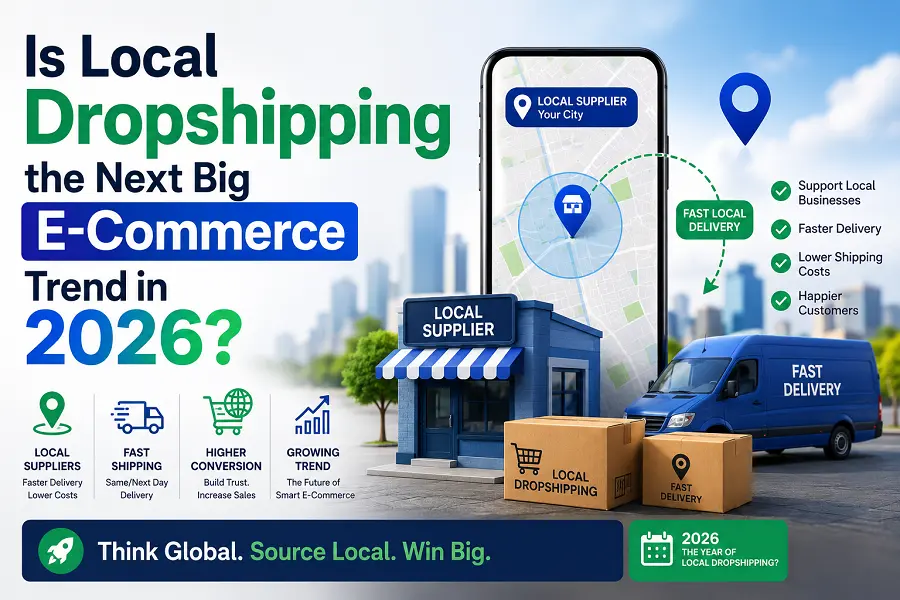
The primary catalyst behind the domestic retail evolution is the absolute demand for speed. When fulfillment centers are positioned inside national borders, the transit distance shrinks dramatically. This spatial proximity alters the structural health of an e-commerce storefront.
-
Hyper-Fast Delivery Windows: Orders ship and arrive within one to three business days, successfully matching the strict delivery expectations set by large-scale marketplace conglomerates.
-
Drastic Return Policy Simplification: Domestic reverse logistics allow returns to go back to a regional hub seamlessly, dropping customer service friction and raising brand trust.
-
Zero Hidden Fees: Customers avoid unexpected import tariffs or customs processing delays, which stabilizes conversion rates at the digital checkout.
-
Minimized Carbon Footprint: Shorter shipping routes drastically decrease transit emissions, directly appealing to modern, eco-conscious demographics.
Structural Benefits of Regional Supply Chains
Operating a localized fulfillment model fundamentally restructures an online business’s financial and operational framework. Eliminating multi-country transit routes provides immediate corporate stability.
-
Predictable Cash Flow Management: Eliminating international currency fluctuations and volatile overseas air freight costs makes financial forecasting accurate.
-
Strict Product Quality Control: Sourcing from domestic entities allows operators to order samples quickly, vetting build quality and packaging standards before scaling marketing budgets.
-
Real-Time Inventory Synchronization: Local distribution hubs utilize modern API integrations that provide precise stock level updates, preventing the disaster of overselling out-of-stock items.
-
Simplified Intellectual Property Compliance: Sourcing items locally drastically minimizes the legal risk of inadvertently importing counterfeit components or restricted products.
Overcoming the Obstacles of Regional Retail Sourcing
While the benefits are clear, building a domestic fulfillment network introduces distinct challenges that demand precise execution. The most notable hurdle is compressed profit margins, as domestic wholesale pricing typically exceeds overseas manufacturing costs. Store owners must offset higher base costs by commanding premium retail prices justified by rapid delivery speeds.
Finding reputable domestic suppliers also requires structured outreach. Unlike massive global directories, regional wholesalers are often less visible online, necessitating direct communication with local manufacturers, trade shows exploration, and specialized domestic directory utilization. Furthermore, localized product catalogs are inherently tighter than global options, meaning retailers must focus heavily on deep niche specialization rather than broad marketplace emulation.
Conclusion
Local dropshipping represents a permanent shift toward sustainable, consumer-centric digital retail. By trading massive global catalogs for domestic speed, reliability, and superior quality control, online storefronts protect themselves against unpredictable global disruptions. The future of e-commerce belongs to businesses that deliver value rapidly, making regional fulfillment the definitive path forward.
FAQs
What is the core difference between global and local dropshipping?
Global dropshipping relies on international suppliers, often leading to long shipping times and custom delays. Local dropshipping utilizes domestic suppliers within the customer’s country, ensuring rapid delivery, simpler returns, and consistent product quality.
How do local retailers maintain profitable margins with higher domestic costs?
Retailers offset higher unit costs by charging premium prices for fast shipping, lowering customer acquisition costs via higher brand loyalty, and keeping return rates exceptionally low compared to international models.
Can print-on-demand services be integrated into a regional fulfillment model?
Yes. Partnering with domestic print-on-demand providers allows store owners to offer customized apparel, home decor, and accessories that are manufactured and shipped regionally within days.
Which product categories perform best in domestic e-commerce systems?
High-demand sectors include wellness items, niche fitness gear, organic beauty supplies, personalized goods, and home improvement tools where consumers prioritize rapid delivery over the lowest possible price.
How do digital store owners find reliable domestic suppliers?
Operators locate partners by searching domestic trade directories, contacting regional manufacturers directly, using verified e-commerce platform apps, and vetting local wholesale distributors via product sample testing.