In 2026, web performance has evolved from a technical background task into a primary driver of digital success. As user expectations for instant gratification reach new heights, website speed serves as a critical bridge between search engine visibility and sustainable business growth. A fast, responsive site is no longer just a technical luxury; it is a foundational requirement for retaining visitors and maintaining competitive search rankings.
The Intersection of Speed and Search Visibility
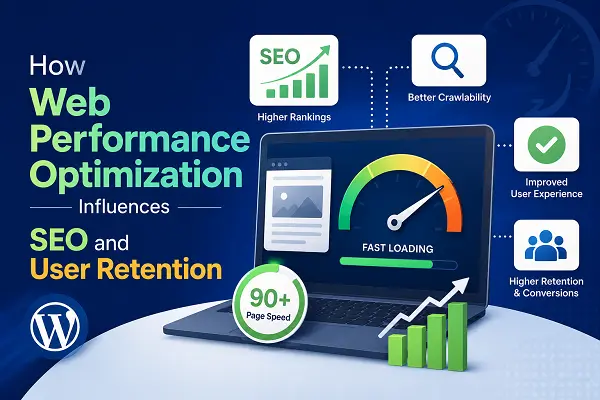
Search engines prioritize user experience above all else. When your website loads efficiently, it signals to algorithms that your site provides a high-quality environment for visitors. This creates a direct link between technical performance and organic discoverability.
-
Improved Crawl Efficiency: Faster websites allow search bots to index more pages in less time. By reducing server response delays, you ensure that search engines can discover and update your content more frequently, keeping your site relevant in search results.
-
The Core Web Vitals Standard: Google evaluates user experience through specific performance metrics: Largest Contentful Paint (LCP) for loading speed, Interaction to Next Paint (INP) for responsiveness, and Cumulative Layout Shift (CLS) for visual stability. Passing these benchmarks is essential for aligning with modern ranking criteria.
-
Reduced Bounce Rates: Users are notoriously impatient. A site that fails to render within the first few seconds leads to a high bounce rate, a negative signal that search algorithms interpret as a lack of content quality or relevance.
-
Competitive Edge: When two websites offer similar content and topical authority, performance becomes the deciding factor. A faster site often wins the higher position, acting as the critical “tiebreaker” in competitive search markets.
Strategies for Performance and Retention
Retaining users requires a proactive approach to technical optimization. When visitors find a site that is both informative and snappy, they are far more likely to explore deeper, return for future visits, and complete desired actions.
-
Prioritize Asset Optimization: Large images and uncompressed files remain the most common cause of slow load times. Transitioning to modern formats like WebP or AVIF and implementing lazy loading ensures that only necessary content impacts initial page weight.
-
Leverage Edge Delivery: Utilizing Content Delivery Networks (CDNs) and edge computing platforms moves your content geographically closer to the user. This dramatically reduces latency and ensures a consistent, fast experience regardless of where your visitors are located globally.
-
Audit Third-Party Scripts: Excessive tracking pixels, widgets, and external plugins can severely bloat a site. Regularly auditing these scripts and removing those that do not provide core value can significantly improve your interactivity (INP) scores.
-
Implement Server-Side Efficiency: Caching frequently accessed content and optimizing database queries prevents the “wait time” users experience while the server processes requests. A faster backend results in a snappier, more reliable frontend.
The Revenue Impact of User Experience
Ultimately, performance optimization is a revenue-driven decision. The relationship between load time and conversion is nearly linear; even minor delays can cause a measurable decline in successful checkouts, form submissions, or sign-ups. When users do not have to fight against a slow or broken interface, their trust in the brand increases. A smooth, seamless journey creates a positive feedback loop where users feel confident in their interactions, leading to higher engagement and improved long-term customer loyalty.
Conclusion
Web performance is an ongoing commitment to the user. By integrating performance into your SEO strategy, you do more than just chase higher rankings—you create an accessible, reliable, and enjoyable space for your audience. In a digital environment where every millisecond influences behavior, optimizing for speed is the most effective way to secure both search engine favor and lasting user retention.
Frequently Asked Questions
Why has “Interaction to Next Paint” (INP) become so important?
INP replaced older metrics because it measures responsiveness throughout the entire user visit. It captures the real-world frustration a user feels when a button or link doesn’t respond instantly to a click, making it a more accurate signal of site quality.
Does a fast website guarantee a top search ranking?
No. Speed is a ranking factor, but it operates alongside content quality, authority, and relevance. It will help you perform better in competitive scenarios, but it cannot overcome poor-quality or irrelevant content.
What is the ideal load time for a website in 2026?
Strive for a “Good” rating on Core Web Vitals, which includes an LCP under 2.5 seconds. Generally, users expect meaningful content to appear within 2 seconds; anything beyond 3 seconds significantly increases the likelihood of a bounce.
How do mobile devices change performance needs?
Mobile traffic accounts for the majority of web visits, often over slower or inconsistent networks. Optimizing for mobile means prioritizing lightweight code and minimizing resources that require heavy processing power from mobile hardware.
Can performance optimization improve my brand trust?
Yes. Users associate speed with reliability and professionalism. A slow, unresponsive site creates the impression that a business is outdated or insecure, whereas a fast, smooth site reinforces a positive brand image and encourages return visits.