
Starting a business while balancing classes or navigating the early stages of a career can feel daunting. However, the modern digital landscape has stripped away the traditional financial barriers to entry. You no longer need a massive capital injection or a brick-and-mortar storefront to launch a profitable venture. Success today relies heavily on leveraging your existing digital skills, creativity, and time.
For students and young professionals, low-risk business models offer a practical sandbox to develop real-world skills while generating income. By focusing on service-oriented or digital-first frameworks, you can test ideas quickly without risking financial strain.
High-Growth Digital Service Frameworks
Service-based businesses are the fastest path to entrepreneurship because your primary investment is your own expertise. The overhead costs are virtually zero, requiring only a reliable laptop and an internet connection.
-
Micro-Agency Specialized Copywriting: Brands constantly need targeted copy for email campaigns, landing pages, and ad creatives. Specializing in a specific niche, such as B2B software or e-commerce, allows you to command higher rates.
-
Social Media Management and Content Curation: Many small business owners lack the time or cultural context to maintain an active online presence. Young entrepreneurs can bridge this gap by scheduling posts, designing basic graphics, and engaging with communities.
-
Remote Technical Tutoring: If you excel in coding, data science, or specialized academic subjects, you can offer remote tutoring sessions to peers or younger students globally.
-
Podcast and Video Post-Production: The explosion of audio and video content means creators are drowning in editing work. Learning basic timeline editing and audio balancing can secure you consistent monthly retainer clients.
Scalable Asset Creation Models
If you prefer building a business that operates independently of your direct hours worked, digital asset creation is an ideal route. These models involve a front-heavy time investment but offer long-term scalability.
-
Digital Template Architecture: Design functional templates for popular productivity tools, project management software, or website builders. Once created, these files can be sold infinitely through digital marketplaces.
-
Micro-Course Publishing: Package your specific knowledge into short, actionable video series or written guides. Focus on solving one specific problem, such as “How to build a portfolio website in a weekend.”
-
Newsletter Curation and Sponsorships: Build an audience around a highly specific industry or hobby by curating weekly insights. As your subscriber count grows, local or niche brands will pay to advertise to your audience.
-
Print-on-Demand Merchandising: Design custom artwork or witty slogans targeted at specific subcultures. Utilize print-on-demand services to handle manufacturing and shipping, meaning you only pay when a customer makes a purchase.
Overcoming Practical Resource Constraints
The biggest hurdle for young entrepreneurs is rarely the ideas; it is managing finite energy and time. Juggling coursework or entry-level jobs requires strict boundaries and smart systems.
To thrive, you must automate repetitive administrative tasks. Free tiers of scheduling links, customer relationship management tools, and AI drafting tools can handle client onboarding while you focus on core delivery. Furthermore, treat your business like a class or a job shift. Dedicating a non-negotiable, focused window of two hours every evening yields far better results than sporadic bursts of unstructured weekend work.
Conclusion
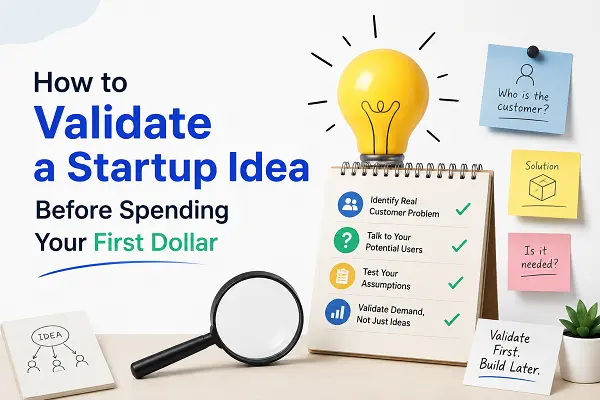
The barrier to starting a business has shifted from capital to consistency. By identifying your unique skills and matching them with low-overhead digital frameworks, you can establish a viable startup before graduation. Start small, validate your market through real conversations, and reinvest your initial profits to gradually scale your systems.
Frequently Asked Questions
How much money do I realistically need to start a digital service business? You can start a digital service business with less than $50. Your primary expenses will be a custom website domain name and professional email hosting. Most operational tools offer robust free tiers for beginners.
How do I find my very first paying clients without a large portfolio? Start by offering your services to local small businesses or non-profits for a deeply discounted rate in exchange for an honest testimonial and permission to use the work as a case study.
Is it legal to run a business from a university dorm room? Yes, online and service-based businesses generally do not violate housing policies. However, avoid storing physical inventory or hosting clients in person, as this can breach campus housing agreements.
What is the lowest risk business model for an absolute beginner? Freelance service delivery is the lowest risk. Because you are selling your time and skills rather than purchasing physical inventory, you face zero upfront product costs and cannot lose money on unsold stock.
How do I protect my personal data and privacy when launching a startup? Use a dedicated business email address, get a free virtual phone number for client communications, and consider setting up a cheap PO Box or virtual business address to avoid listing your residential address online.