
Mass marketing is losing its grip. For decades, businesses relied on traditional broadcasting—billboards, TV ads, and unsegmented print media—to blast a single message to millions of people. While this broad-brush approach once built massive brand awareness, modern consumer behavior has shifted dramatically. Today, audiences are flooded with thousands of generic advertisements daily, leading to digital fatigue and ad blindness.
The modern digital landscape requires a pivot toward precision. Personalized email campaigns have emerged as the most effective alternative to generic broadcasting. By delivering tailored messages directly to an individual’s inbox based on specific data, personalization creates a level of relevance that traditional channels simply cannot replicate.
The Core Deficiencies of Traditional Mass Marketing
Traditional marketing operates on a “one-to-many” model. This approach assumes that a single message will resonate equally across a vast, diverse demographic. However, this strategy introduces several critical inefficiencies that drain corporate budgets.
-
Wasted Ad Spend: Broad broadcasting reaches large numbers of people who have zero interest in the product, resulting in low conversion rates per dollar spent.
-
Lack of Real-Time Tracking: Measuring the exact return on investment (ROI) of a billboard or magazine spread relies on delayed estimates rather than precise, immediate data.
-
Static Messaging: Once a traditional advertisement is printed or recorded, it cannot change dynamically to match shifting market trends or user behaviors.
-
Intrusive Nature: Interruptive ads disrupt the user experience, often irritating potential customers rather than building brand affinity.
Why Personalization Drives Higher Conversions
Personalized email marketing succeeds because it treats consumers as individuals. Instead of guessing what a large demographic wants, brands utilize behavioral data, purchase histories, and explicit preferences to craft highly relevant messages.
-
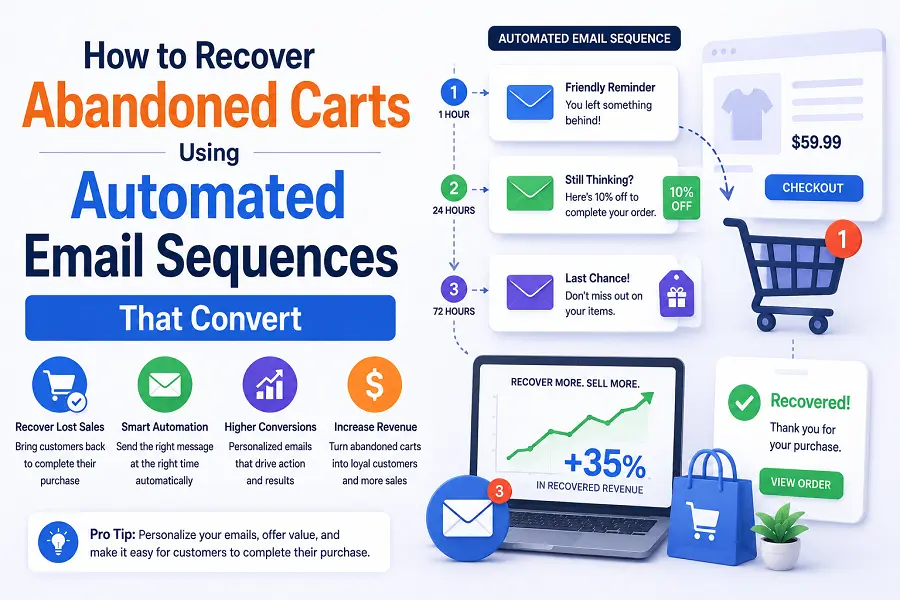
Behavior-Triggered Timing: Automated emails can deploy the exact moment a user takes action, such as abandoning a shopping cart or browsing a specific service page.
-
Dynamic Content Blocks: Advanced email software allows a single campaign to alter its images, offers, and text based on the recipient’s location, gender, or past interactions.
-
Advanced Customer Segmentation: Dividing an audience into micro-categories ensures that budget-conscious shoppers receive discount offers while high-value clients see premium collections.
-
Direct Channel Access: An inbox is a private, curated space. Appearing there with a tailored solution feels like a 1-on-1 conversation rather than a public sales pitch.
Maximizing ROI Through Data-Driven Relevance
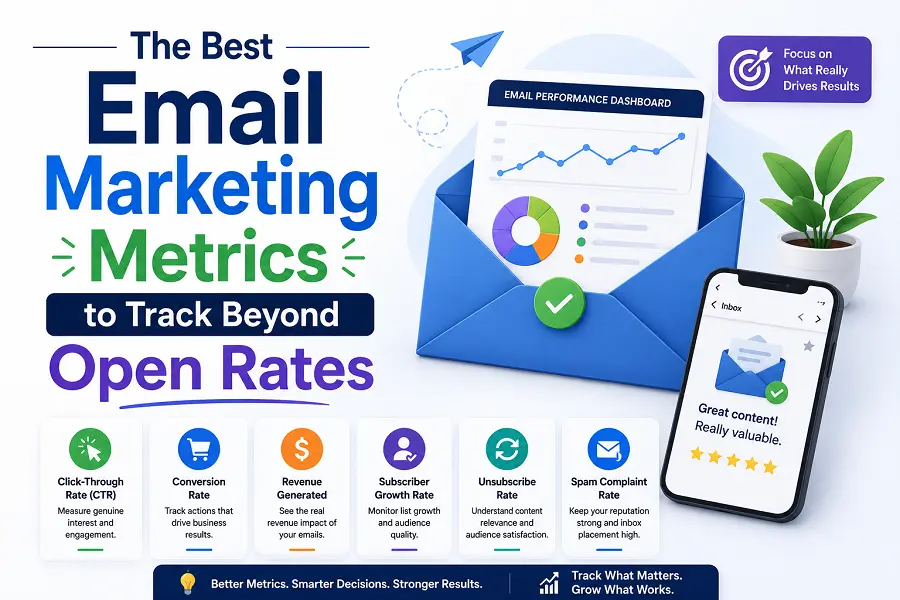
The financial disparity between broad broadcasting and targeted email is stark. Traditional media requires heavy upfront capital for production and placement. Email campaigns, conversely, scale at a fraction of the cost while yielding measurable engagement metrics like open rates, click-through rates, and direct revenue per email sent.
By utilizing first-party data—information willingly provided by consumers through website sign-ups and quizzes—brands build a sustainable marketing ecosystem. This data allows companies to predict future buying patterns, recommend relevant cross-sells, and nurture long-term customer loyalty without relying on expensive third-party advertising networks.
Conclusion
Traditional marketing methods still hold value for top-of-funnel brand recognition, but they fall short in driving consistent, measurable conversions. Personalized email campaigns outperform broad broadcasting by delivering targeted, timely, and relevant content directly to consumers. Businesses that prioritize data-driven personalization build stronger customer relationships, optimize their marketing spend, and secure a distinct competitive advantage.
Frequently Asked Questions
What is the main difference between personalization and customization in email? Personalization uses data and automation to tailor emails based on observed user behavior, while customization relies on preferences explicitly set by the user during sign-up.
Does email personalization require large data collections to be effective? No. Highly effective campaigns can start with basic data indicators, such as using the recipient’s geographic location or separating new subscribers from repeat buyers.
How does personalized email improve customer retention rates? By sending relevant post-purchase tips, birthday milestones, and tailored re-engagement offers, brands show continuous value, keeping the company top-of-mind without annoying the customer.
Will automated personal emails land in the spam folder? When executed correctly using clean, opt-in subscriber lists and authentic domain authentication, personalized emails actually improve sender reputation because engagement rates remain high.
Can small businesses compete with enterprise brands using email personalization? Yes. Most modern email marketing platforms offer affordable, built-in segmentation and automation tools, allowing smaller operations to scale targeted campaigns easily.